The Engineering DNA: Decoding the True Meaning of Cone Crusher Specifications
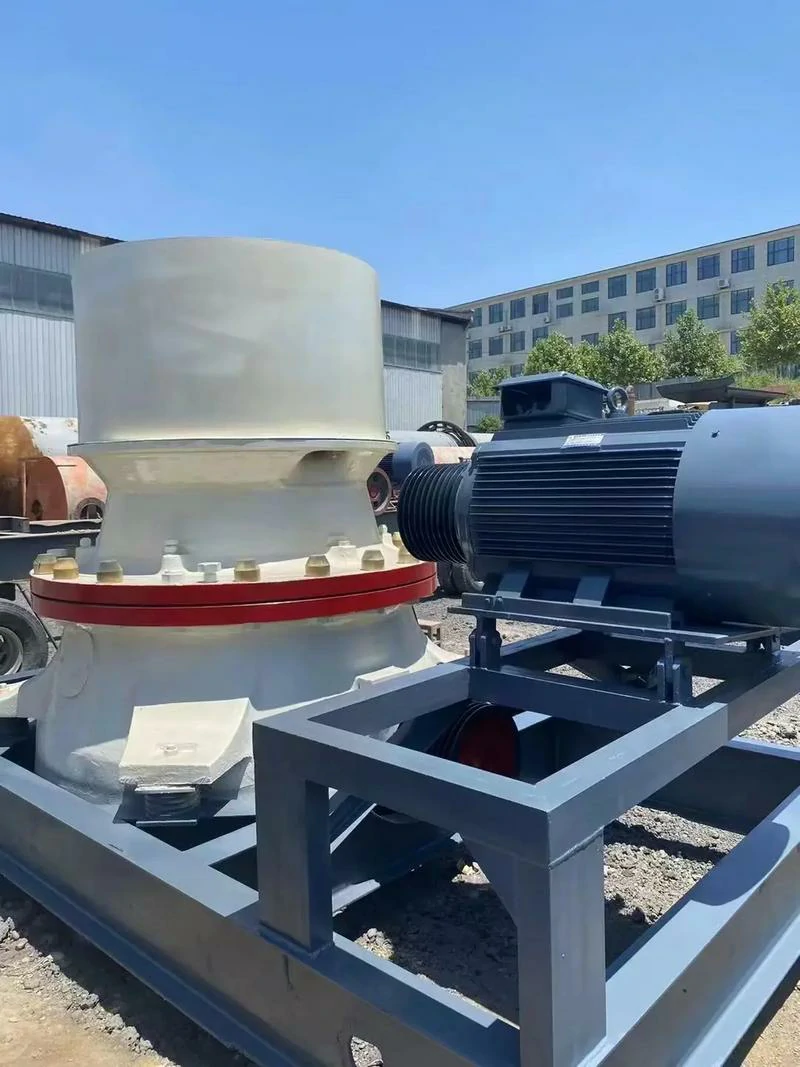
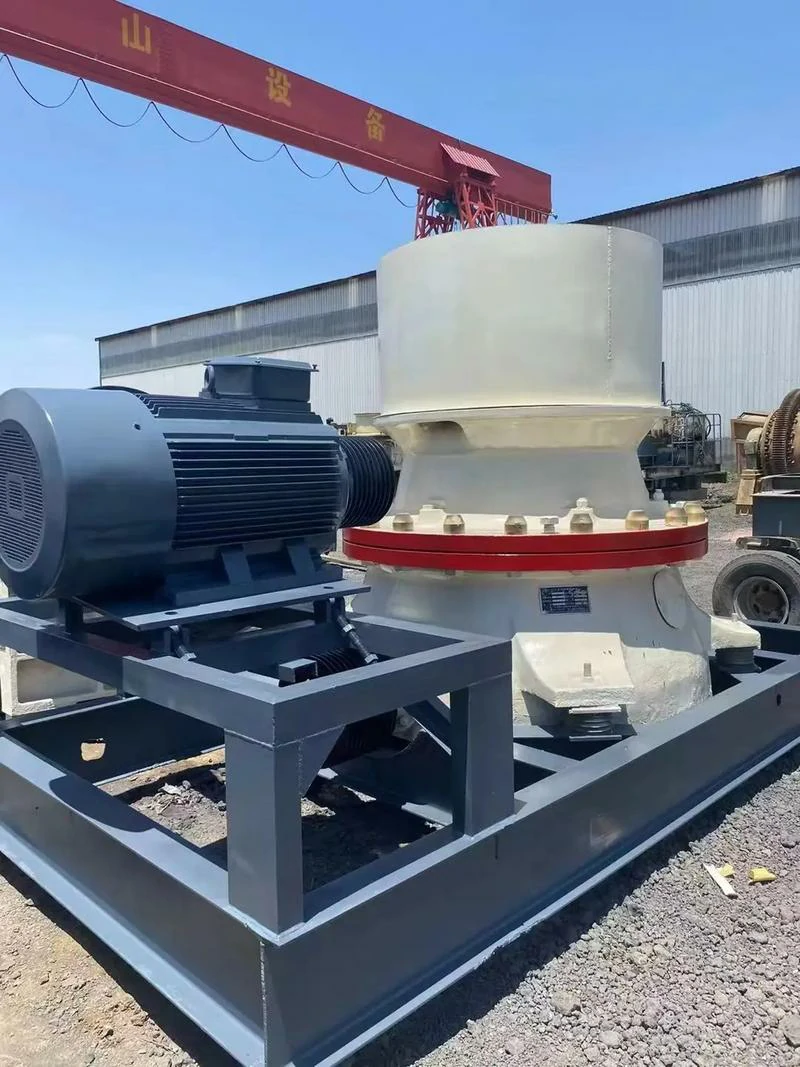
A specification sheet is often treated as a static menu of capabilities, but to a seasoned mechanical engineer, it is a dynamic map of forces. When we look at a machine like a standard medium-fine cone crusher, we aren’t just looking at dimensions; we are analyzing the limits of physics that the manufacturer has engineered into the steel. The numbers on the page—feed width, RPM, power draw—are variables in a complex equation involving compressive strength, shear force, and kinetic energy. Misinterpreting these figures doesn’t just lead to suboptimal performance; it invites catastrophic failure modes like ring bounce or head spin.
In this analysis, we will strip away the marketing gloss and examine the “secret language” of these parameters. We will explore how a seemingly simple dimension like a 300mm feed opening dictates the entire upstream logistics chain, and why the relationship between 280 r/min and 132 kW represents a delicate thermodynamic equilibrium. This is not just about selecting a machine; it is about understanding the triangulation of crushing force, throughput capacity, and energy consumption that defines operational success.
The Geometry of Intake: More Than Just Width
Let’s begin with the feed inlet dimensions. You might see a parameter listed as a 300mm feed width and assume this is merely a physical constraint for your hopper design. However, this number is intrinsically linked to the kinematics of the mantle and concave. It determines the “nip angle”—the angle formed between the moving mantle and the stationary concave where the rock is gripped.
Kinematics and Power: The RPM and kW Intersection
The heart of the beast lies in the relationship between eccentric speed and motor power. Consider a setup running at 280 r/min driven by a 132 kW motor. This is not an arbitrary pairing; it is the “Golden Zone” for medium-fine crushing applications. The speed determines the frequency of compression cycles—the number of times the mantle strikes the rock per minute. The power determines the energy available for each strike.
If you increase the speed without increasing the power, the energy per blow decreases, leading to poor reduction ratios and potentially elongated particles. Conversely, if you have high power but low speed, you may generate excessive fines but sacrifice total tonnage. The 132 kW rating provides the necessary torque to maintain momentum during the compression stroke, preventing the crusher from stalling under peak load. Meanwhile, the 280 r/min ensures that the material moves through the chamber fast enough to prevent choking, yet slow enough to allow gravity to assist in the discharge of the fractured product. This balance is critical; deviating too far from these design parameters can cause the drive train to resonate, leading to premature fatigue in the shaft and bearings.
The Butterfly Effect of the Closed Side Setting (CSS)
Perhaps the most manipulated parameter is the Closed Side Setting (CSS), often adjustable within a range such as 8-25mm. While operators view this simply as a way to control product size, engineers know it as a lever for energy consumption. The relationship between CSS and power draw is exponential, not linear.
When you tighten the setting—for instance, reducing the gap by just 5mm—you are significantly increasing the density of the rock bed in the parallel zone. Our field data suggests that such a reduction can spike power consumption by approximately 15%. Why? Because the rock has to undergo more compression cycles to pass through the narrower aperture. Furthermore, a tighter CSS increases the contact area between the mantle and concave, accelerating abrasion. If you are targeting the lower end of that 8-25mm range, you must ensure your feed gradation is suitable. Feeding too many fines into a tight setting causes “packing,” where small rocks cushion the larger ones, absorbing the crushing energy and causing the liner surfaces to wear rapidly without actually breaking the stone.
| Parameter Interaction | Operational Consequence | Engineering Insight |
|---|---|---|
| CSS Reduction (5mm decrease) | Increases power draw by ~15% and generates more fines. | Verify that the motor has sufficient service factor margin to handle the surge without tripping. |
| Eccentric Speed Increase | Improves product shape (cubicity) but raises wear rates. | Higher speeds require higher quality metallurgy in the liners to withstand impact fatigue. |
| Throughput vs. Machine Weight | A ratio exceeding 1:8 indicates a high-stress environment. | Requires robust frame construction and superior damping systems to manage vibration. |
Hydraulics: The Guardian of Stability
Modern cone crushers rely heavily on hydraulic systems, often operating at pressures around 12 MPa. This figure is the linchpin of the machine’s safety and efficiency. It serves two distinct purposes: clamping force and overload protection. The pressure setting must be high enough to keep the adjustment ring locked in place during normal operation—preventing the “ring jump” phenomenon caused by shock loads—but low enough to yield safely if uncrushable material (tramp iron) enters the chamber.
If the hydraulic pressure is set incorrectly, the consequences are severe. Too low, and the ring will loosen, altering the CSS and ruining your product gradation. Too high, and the system loses its ability to act as a fuse, transferring destructive forces into the main frame or head. Additionally, the hydraulic system controls the vertical position of the mantle. In automated systems, this allows for real-time compensation for liner wear, ensuring that the cone crusher part lifecycle is maximized without manual intervention. Monitoring the stability of this pressure gauge is one of the most effective ways to diagnose internal chamber issues without stopping the plant.
Wear Life and Material Selection
Parameters also dictate the longevity of your consumables. There is a direct correlation between the machine’s weight-to-capacity ratio and the wear life of the liners. For instance, a machine designed to process 120 t/h with a relatively light frame might struggle with abrasive granite, whereas a heavier machine handling the same load will offer better inertia and smoother operation. When the throughput-to-weight ratio exceeds 1:8, it often signals that the manufacturer has prioritized compactness over durability, necessitating the use of specialized alloys.
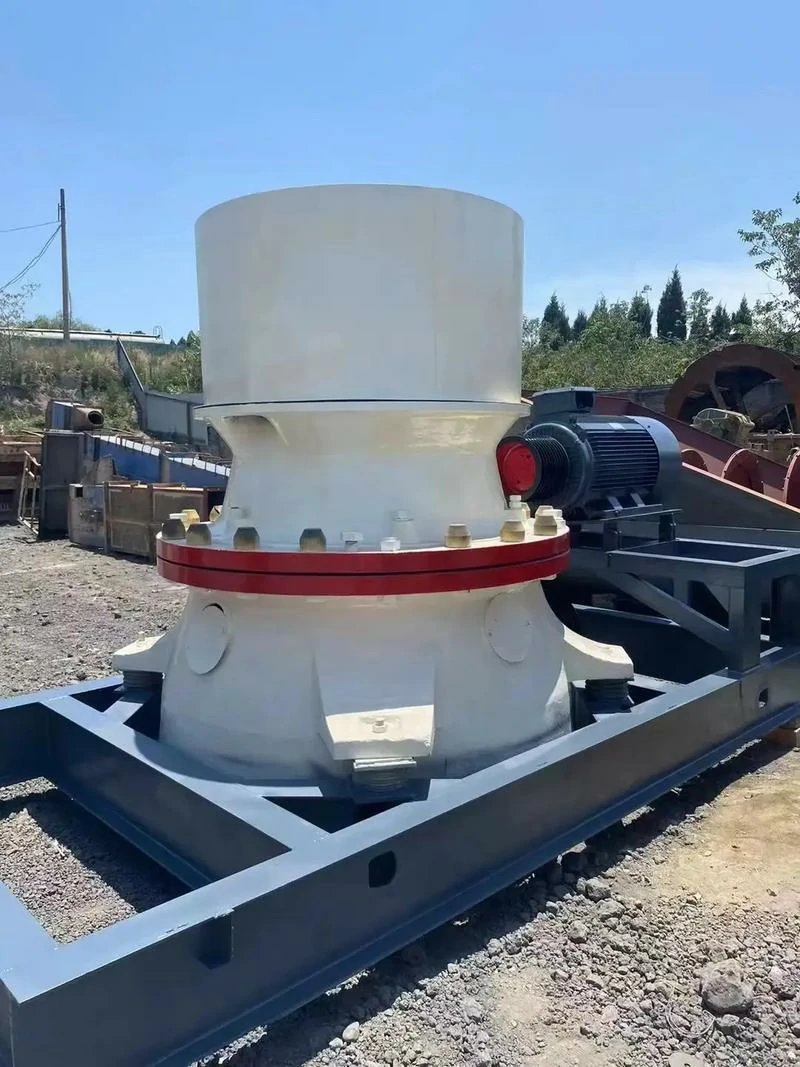
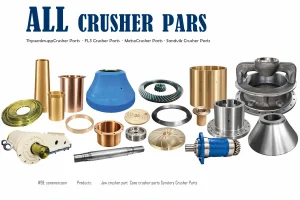
This is where the selection of cone crusher wear parts becomes a strategic engineering decision. You cannot simply bolt on any manganese liner. You must match the metallurgy to the kinematics. High-speed operations require liners that can work-harden rapidly to resist abrasion, while high-load, low-speed applications need tougher alloys to resist cracking. A well-chosen liner profile can extend service life by 30% simply by optimizing the flow of material through the chamber, reducing turbulence and localized hot-spots. Always consult the wear charts provided by the OEM, but validate them against your specific ore hardness (Bond Work Index).
The Reality of Throughput Curves
Finally, we must address the “rated capacity,” often cited as a round number like 120 t/h. In the real world, this number is a theoretical maximum achievable only under perfect conditions: continuous choke feeding, consistent feed gradation, and optimal moisture content. Field experience tells us that intermittent feeding—a common issue in poorly managed quarries—can slash actual capacity by nearly 30%.
To achieve the rated curve, the crusher must be kept “choke-fed.” This means the feed plate should always be covered with material. This layer of rock protects the liners and ensures that the crushing action is rock-on-rock rather than metal-on-rock. If the feed is erratic, the power draw fluctuates, causing the hydraulic system to constantly adjust, which leads to instability. Therefore, the parameter of “capacity” is actually a measure of your feeding system’s reliability. Investing in a variable speed apron feeder or a level sensor in the feed hopper is often more effective at boosting tonnage than tweaking the crusher itself.
Sourcing and Maintenance Strategy
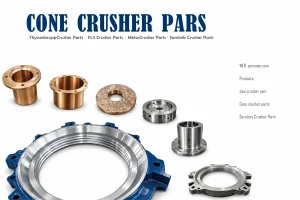
Maintaining these precise parameters over time requires high-quality replacements. When sourcing cone crusher spare parts, dimensional accuracy is paramount. A replacement bushing or seal that is even slightly out of tolerance can alter the eccentric throw or allow lubricant leakage, shifting the entire performance envelope of the machine. Do not treat these components as commodities; they are precision-engineered elements that sustain the immense pressures we have discussed.
By understanding the interplay between feed size, speed, power, and hydraulics, you move from being a passive operator to an active optimizer. You stop guessing and start calculating. This shift in perspective is what separates a profitable quarry from a struggling one. The parameters are not just numbers; they are the instructions for extracting value from the earth.