120 mm Main Shaft Wear and 180 MPa Impact Stress: Why Installation Precision Defines Equipment Life
Field failures rarely start during crushing. Most begin during installation. I have seen a multi-cylinder hydraulic cone crusher shut down within 72 hours due to a 0.25 mm misalignment on the frame flange. The result was uneven load distribution, localized stress exceeding 180 MPa, and accelerated wear on the cone crusher part interface between the eccentric bushing and main shaft.
Unlike spring-type crushers, modern hydraulic systems demand stricter tolerances. A deviation beyond ±0.05 mm in alignment or oil contamination above NAS 8 can directly reduce bearing life by over 40%. Installation is not a procedure; it is the foundation of reliability.
Material Composition and Performance Comparison of Critical Components
The durability of each cone crusher part depends heavily on material selection. Incorrect material pairing leads to failure modes such as spalling, galling, and mushrooming.
| Component | Material | Hardness | Performance Characteristics |
|---|---|---|---|
| Concave & Mantle | Mn18Cr2 (ASTM A128) | 220–280 HBW | High impact resistance, work hardening up to 500 HBW |
| Bushing | C93800 Bronze | 65–85 HB | Excellent anti-galling and embedability |
| Main Shaft | 42CrMo (quenched & tempered) | 280–320 HB | High fatigue strength, resistance to bending stress |
| Frame | Cast steel ASTM A216 WCB | ~200 HB | Good structural stability and weldability |
Low-cost aftermarket materials often substitute Mn13 for Mn18Cr2. While cheaper, Mn13 reduces wear life by up to 30% under high compression ratios, increasing total cost of ownership.
Failure Mode Analysis
- Spalling: Caused by cyclic stress exceeding material fatigue limit, often due to uneven feed.
- Galling: Occurs when lubrication fails and metal-to-metal contact increases friction.
- Mushrooming: Plastic deformation at contact zones, typically from overload or poor alignment.
Installation Workflow and Precision Control
Foundation Preparation
The foundation must withstand at least five times the dynamic load. Concrete strength should exceed C30, and surface flatness must remain within ±3 mm. The discharge opening must be pre-designed to avoid material accumulation beneath the crusher.
Frame Installation
The frame installation determines overall geometry. Using a precision level, the flange surface must maintain a horizontal tolerance below 0.1/1000 mm. Shim contact area should exceed 70% to avoid stress concentration.
Secondary grouting should cure for at least 7 days before further assembly.
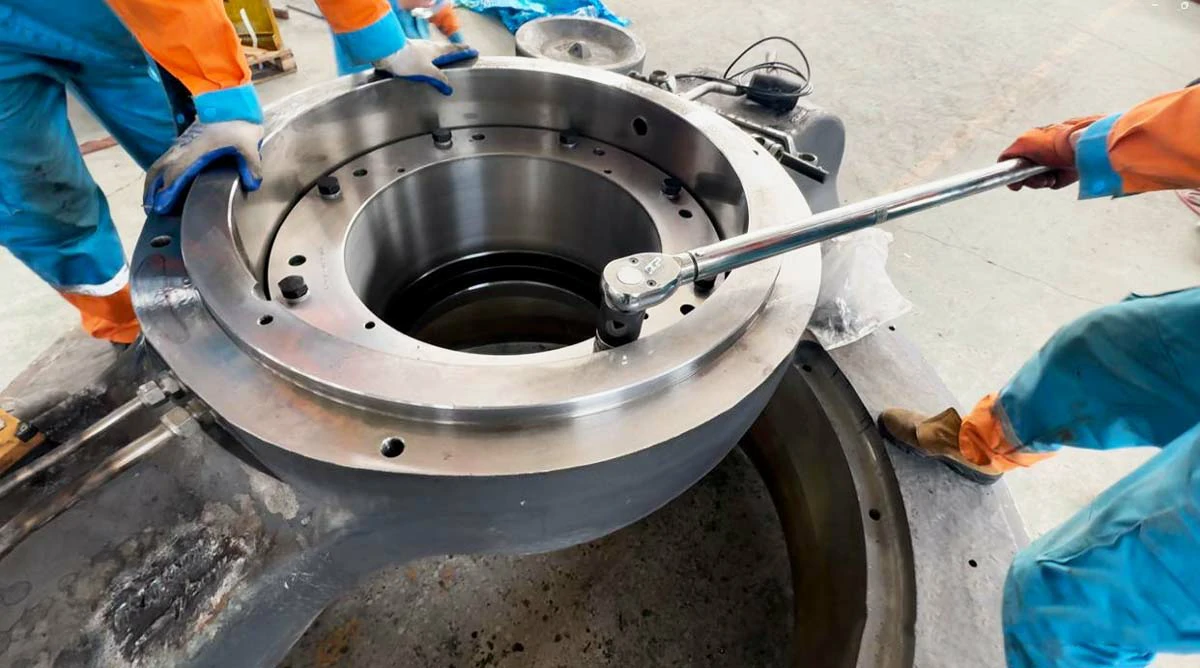
Main Shaft and Eccentric Assembly
This is the most critical step. Apply lithium-based grease to the shaft threads and spherical bearing surface. During installation, vertical deviation must remain below 0.02 mm.
After assembly, manual rotation should be smooth without resistance. Any abnormal torque indicates misalignment.
Hydraulic and Lubrication System Installation
The cleanliness of oil systems determines long-term performance. Hydraulic oil must meet ISO VG 46 standards, while lubrication oil such as Mobil SHC series ensures stable viscosity.
- Lubrication pressure: 0.1–0.2 MPa
- Return oil temperature: 35–45°C during no-load operation
- Filtration accuracy: ≤10 μm
All pipelines must undergo circulation flushing until no contaminants appear in filters.
Commissioning Procedure: Step-by-Step Load Verification
No-Load Testing
Before introducing material, run the system for at least 2 hours. Monitor:
- Oil temperature stability
- Motor current below 30% rated load
- No abnormal vibration or noise
Gradual Load Increase
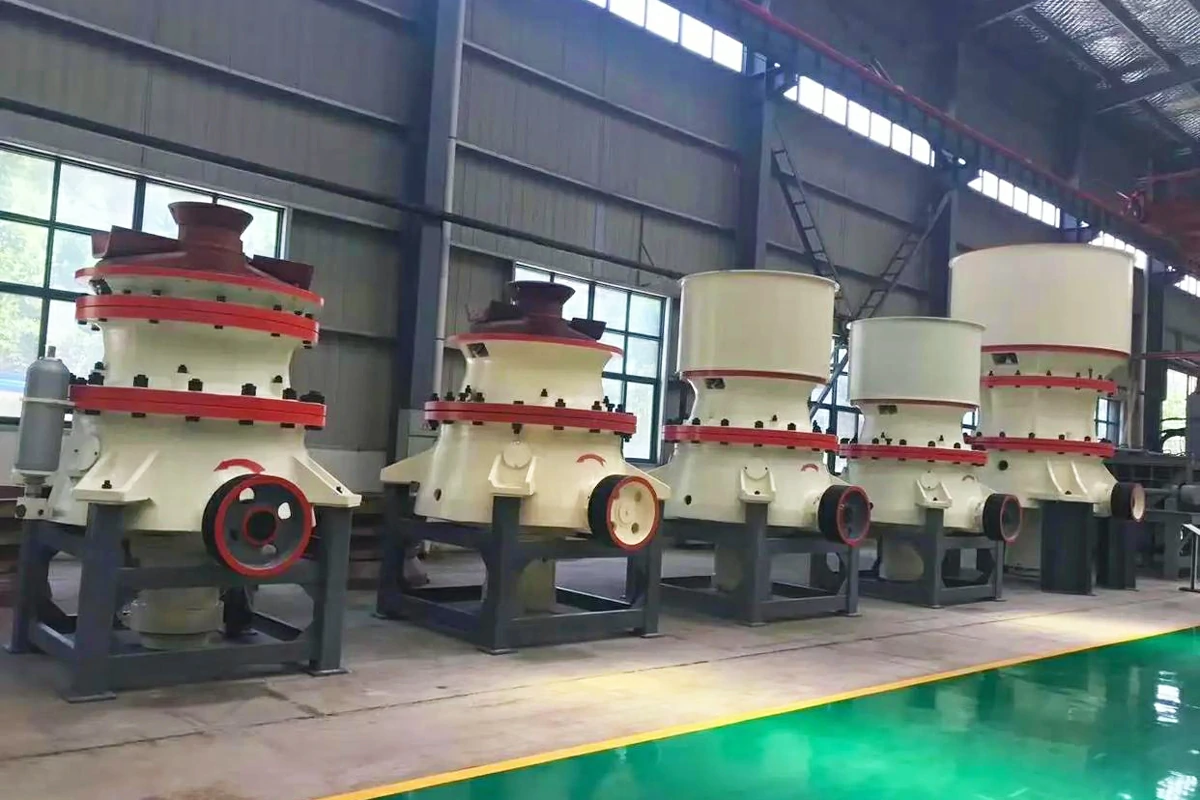
Multi-cylinder crushers require full chamber feeding to achieve lamination crushing.
- 30% load: establish material bed
- 60–80% load: stabilize current at 80% rated value
- 100% load: maintain 90–95% rated current
This condition minimizes liner wear and optimizes particle shape.
Field Alignment Trick
I always place a dial indicator on the main shaft during installation. If radial runout exceeds 0.03 mm, I stop immediately. Adjusting shims at this stage saves thousands in future bearing replacements.
Preventive Maintenance Based on Operating Data
Oil Analysis Strategy
Oil contamination is the silent killer of any cone crusher part. Regular oil analysis should monitor:
- Iron content (ppm) indicating wear
- Water contamination above 0.1%
- Viscosity deviation beyond ±10%
Replacing oil based on condition rather than schedule can extend component life by 20–30%.
Daily Inspection Checklist
- Monitor motor current fluctuations
- Check oil pressure and temperature
- Inspect for leaks in hydraulic lines
- Listen for abnormal crushing sounds
Cost Comparison: OEM vs Low-Cost Alternatives
| Factor | OEM Standard | Low-Cost Aftermarket |
|---|---|---|
| Initial Cost | High | Low |
| Material Quality | Mn18Cr2 | Mn13 or mixed alloys |
| Service Life | 100% | 60–70% |
| Maintenance Frequency | Low | High |
| Total Cost (TCO) | Lower over lifecycle | Higher due to replacements |
Choosing cheaper components often results in increased downtime and higher long-term costs.
Operational Key Points for Maximum Efficiency
- Maintain full chamber feeding to prevent uneven wear
- Avoid idle running to protect liners
- Keep hydraulic pressure within design limits
- Use automated control systems for consistent operation
FAQ Section
1. How precise should the frame leveling be during installation?
The leveling tolerance should be within 0.1/1000 mm to ensure uniform load distribution.
2. What is the ideal lubrication oil temperature?
Return oil temperature should remain between 35°C and 45°C during normal operation.
3. How often should oil be replaced?
Oil replacement should be based on analysis results, typically every 1000–2000 operating hours.
4. What causes abnormal vibration during operation?
Common causes include uneven feeding, misalignment, or worn bushings.
5. How should the crusher be transported?
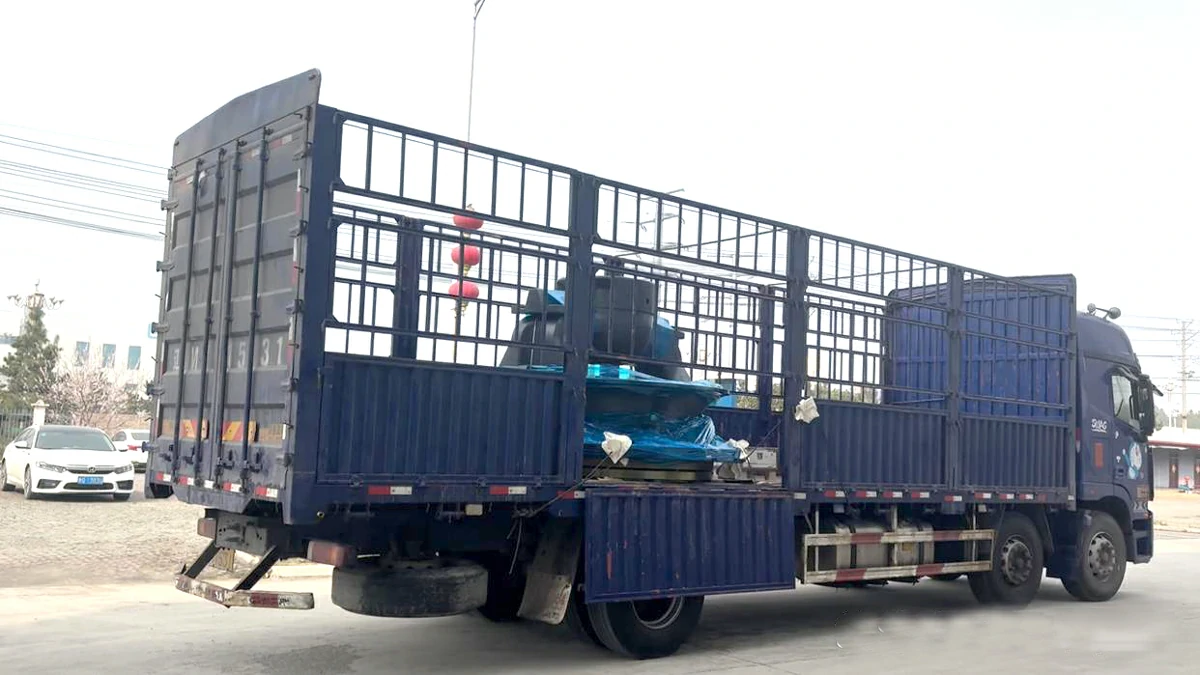
All hydraulic lines must be sealed, and sensitive components like sensors should be protected from impact and moisture.
Every cone crusher part functions within a tightly controlled mechanical and hydraulic system. Installation accuracy, oil cleanliness, and correct feeding strategy are the three pillars of long-term performance. Ignoring any of these factors will inevitably lead to premature failure, increased maintenance cost, and reduced productivity.