The upper frame of a gyratory crusher serves as the backbone of the entire crushing system. This critical component not only houses the crushing chamber but also supports the massive forces generated during the crushing process. Understanding its design, function, and maintenance requirements is essential for optimizing crusher performance and minimizing downtime.
Understanding the Upper Frame Structure
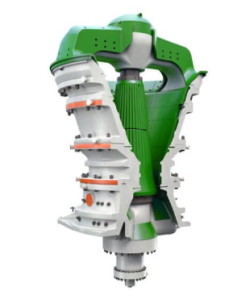
The gyratory crusher upper frame, sometimes referred to as the top shell, is a massive casting that forms the upper portion of the crusher. Its primary function is to house the concave liners (the stationary crushing surface) and provide a stable mounting point for the spider assembly.
Key components of the upper frame include:
• Main Body: The principal structural element, typically manufactured from high-strength cast steel
• Concave Retention System: Mechanisms for securing the concave liners in position
• Spider Mounting Surface: The precisely machined area where the spider assembly is mounted
• Feed Opening: The opening through which material enters the crushing chamber
• Bolting Flanges: Surfaces that connect the upper frame to the lower frame sections
Critical Functions and Operational Importance
The upper frame performs several essential functions in the gyratory crusher system:
1. Structural Integrity: It distributes the tremendous forces generated during crushing operations, maintaining alignment between components
2. Liner Support: The frame provides a stable foundation for the concave liners, which directly interact with the material being processed
3. Feed Distribution: The geometry of the upper frame helps direct material evenly into the crushing chamber
4. Component Integration: It serves as the mounting point for several auxiliary components, including dust seals and lubrication lines
Installation Procedures and Best Practices
Proper installation of the upper frame is critical to crusher performance and longevity. The installation process typically involves:
1. Preparation: Thoroughly clean all mating surfaces and inspect for damage
2. Lifting and Positioning: Use appropriate lifting equipment and techniques to safely position the upper frame
3. Alignment: Precisely align the upper frame with the lower sections before final bolting
4. Bolting Sequence: Follow manufacturer-recommended bolting patterns and torque specifications
Maintenance Strategies for Extended Service Life
Regular maintenance is essential for maximizing the service life of your gyratory crusher upper frame. Key maintenance activities include:
Routine Inspections
• Visual examination for cracks, wear, or deformation
• Measurement of critical dimensions to detect distortion
• Checking of bolted connections for proper tightness
Liner Management
• Regular monitoring of concave liner wear patterns
• Timely replacement of worn liners to prevent damage to the frame itself
• Proper installation of new liners using recommended procedures and materials
Preventive Measures
• Implementation of predictive maintenance technologies
• Regular lubrication of appropriate components
• Monitoring of operational parameters to detect developing issues
Common Issues and Troubleshooting
Even with proper maintenance, upper frames can develop problems. Common issues include:
| Problem | Possible Causes | Solutions |
|---|---|---|
| Cracking in high-stress areas | Fatigue, overloading, material defects | Weld repair following manufacturer guidelines, operational adjustments |
| Excessive wear at feed opening | Abrasive material, misdirected feed | Installation of wear plates, feed pattern optimization |
| Loose or broken bolts | Vibration, improper tightening, fatigue | Retorquing to specifications, replacement with high-strength bolts |
The Importance of Quality Crusher Spares
When replacement becomes necessary, the selection of appropriate crusher spares significantly impacts performance and longevity. Key considerations when selecting replacement components include:
• Material Specifications: Ensure replacement parts meet or exceed original equipment specifications
• Manufacturing Quality: Source components from reputable manufacturers with proven quality control processes
• Compatibility: Verify dimensional and functional compatibility with your specific crusher model
• Technical Support: Choose suppliers who provide comprehensive technical support and documentation
Investing in high-quality crusher spares for your gyratory crusher upper frame can dramatically reduce life-cycle costs through extended service intervals and improved reliability.
Optimization Strategies for Enhanced Performance
Beyond basic maintenance, several strategies can optimize upper frame performance:
1. Liner Profile Optimization: Work with specialists to develop concave liner profiles that maximize crushing efficiency while minimizing wear on the frame
2. Material upgrades: Consider upgraded materials for severe service conditions
3. Monitoring Systems: Implement condition monitoring technologies to track frame health and performance
4. Operational Adjustments: Optimize crusher settings and feed characteristics to reduce stress on the upper frame
Conclusion
The gyratory crusher upper frame is a critical component that demands careful attention throughout its service life. Through proper installation, regular maintenance, timely replacement of worn components with quality crusher spares, and implementation of optimization strategies, operators can maximize equipment availability and crushing efficiency while minimizing operating costs.
By understanding the function, maintenance requirements, and potential failure modes of the upper frame, crushing operations can develop comprehensive strategies to extend component life and optimize overall system performance.