High Quality Crusher Parts
A crusher part usually fails long before it breaks. The warning signs appear in uneven wear, rising amperage, poor product shape, unstable closed side setting, abnormal vibration, oil contamination, and liners that lose profile faster than expected. After more than two decades around jaw crushers, cone crushers, impact crushers, screens, feeders, and quarry maintenance teams, one lesson becomes very clear. A cheap part is only cheap on the purchase order. Once it enters the crushing chamber, it can control your output, fuel cost, liner life, bearing load, downtime risk, and even the safety of the crew standing near the machine.
For buyers of cone crusher parts, jaw plates, mantles, concaves, blow bars, liners, bushings, eccentric parts, and other crusher spares, the real challenge is not simply finding a supplier. The challenge is identifying which parts are made with correct metallurgy, controlled heat treatment, accurate machining, reliable inspection, and traceable documentation. Counterfeit crusher parts often look acceptable when they are new. Paint, packaging, and surface polishing can hide poor casting quality. The truth only appears after 100 hours, 300 hours, or one hard shift in abrasive granite, basalt, iron ore, river stone, copper ore, or recycled concrete.
Start with the working condition before judging the part
No crusher part can be judged correctly without knowing the application. A mantle that performs well in medium hard limestone may fail quickly in highly abrasive basalt. A jaw plate suitable for 80 MPa limestone may not survive in 180 MPa granite. Before choosing crusher wear parts, a responsible supplier should ask about feed size, feed gradation, moisture, clay content, silica content, crusher model, chamber type, closed side setting, eccentric throw, installed power, daily operating hours, target output size, and current wear pattern.
For cone crusher parts, the chamber profile must match the feed and the required product curve. A fine chamber used with oversized feed can create high crushing force and ring bounce. A coarse chamber used for a fine product can reduce reduction ratio and cause poor shape. In many quarry sites, the real issue is not only the metal quality of the mantle or concave. It is also the wrong chamber selection, incorrect feed distribution, or a closed side setting that has moved beyond the safe operating window.
A professional supplier should be able to discuss these operating details before quoting. If a seller only asks for a part number and price target, the risk of mismatch is much higher. High quality crusher parts begin with correct selection, not only correct casting.
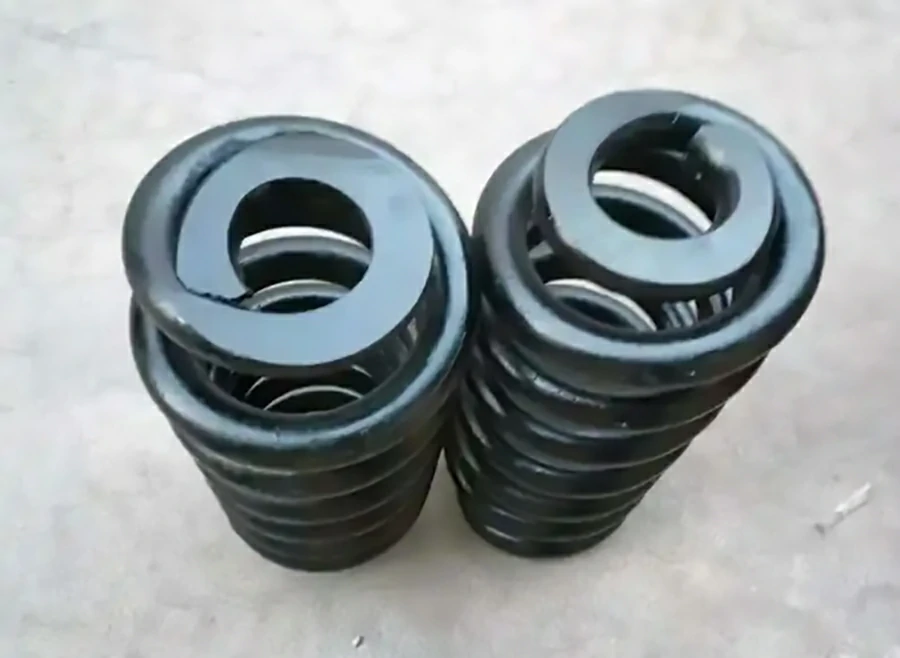
sparing
Check material grades and understand what they mean in the field
Material grade is one of the first signs of quality, but it must be understood properly. Manganese steel remains common for jaw plates, mantles, concaves, bowl liners, cheek plates, and other wear components exposed to high impact. Typical grades include Mn13Cr2, Mn18Cr2, and Mn22Cr2. In practical terms, higher manganese content usually improves work hardening capacity in severe impact conditions, while lower manganese grades may be suitable for less aggressive crushing where rapid work hardening is not required.
A properly made manganese liner may arrive with a hardness around HB 200 to HB 240 and then work harden to around HB 450 to HB 550 in the crushing zone. If the liner is too soft and does not work harden, wear accelerates. If it is too brittle due to poor heat treatment, cracks can appear around thick sections, bolt holes, lifting points, or high stress corners. In real operation, the best material is not always the hardest material. The best material is the one that balances impact resistance, toughness, wear resistance, and chamber stability.
For impact crusher blow bars, high chrome iron, martensitic steel, ceramic inserted material, and martensitic ceramic options are common. High chrome blow bars may reach HRC 58 to HRC 65, giving strong abrasion resistance, but they can be sensitive to uncrushable steel or oversized feed. Martensitic blow bars are more tolerant of impact but may wear faster in highly abrasive stone. Ceramic inserts can improve wear life when the base material and bonding process are controlled. Counterfeit blow bars often use uncontrolled chemistry, poor insert positioning, or weak casting structure, which can lead to sudden fracture.
Demand chemical analysis and heat treatment records
A serious crusher parts supplier should provide chemical composition records for each casting batch. For manganese steel, the report should show manganese, carbon, chromium, silicon, phosphorus, sulfur, and other relevant elements. For high chrome parts, chromium, carbon, molybdenum, nickel, and hardness data are important. The report should not look like a generic template reused for every order. Heat number, casting batch, part number, weight, production date, and inspection signature should match the supplied parts.
Heat treatment is where many counterfeit parts fail. Manganese steel requires correct solution treatment, commonly around 1050 to 1100 C, followed by fast quenching to keep the structure tough and ready for work hardening. Poor quenching can leave carbide networks that reduce toughness. Thick castings are especially sensitive because slow cooling at the core can produce hidden weakness. A liner may pass a simple surface inspection but crack later under repeated impact.
For buyers, one practical step is asking for heat treatment charts or batch records. You do not need to become a metallurgist. You only need to confirm that the supplier controls the process rather than outsourcing random castings without traceability. High quality cone crusher parts should come with repeatable process records, not only attractive photos.
Inspect casting quality beyond the paint
Paint can hide many problems. Before installation, inspect the raw casting areas, seating surfaces, lifting holes, locking surfaces, and contact zones. Look for shrinkage cavities, sand inclusion, cold shuts, excessive grinding repair, visible cracks, poor riser removal, and uneven wall thickness. On mantles and concaves, check whether the wear profile is smooth and consistent. On jaw plates, check tooth height, tooth spacing, rib thickness, and bolt hole accuracy. On blow bars, check rotor contact faces, locking wedges, and side faces.
Dimensional accuracy is just as important as material quality. A mantle with poor taper accuracy can sit incorrectly on the head. A concave with poor seating can create uneven load and local stress. A jaw plate with inaccurate bolt holes can loosen during operation. A bushing with incorrect inner diameter or oil groove depth can damage shafts and eccentric assemblies. For machined crusher spares, practical tolerance control often falls within 0.02 mm to 0.10 mm depending on the feature, material, and machine design. Wear liners may allow larger casting tolerance, but critical seating and locking surfaces must be controlled.
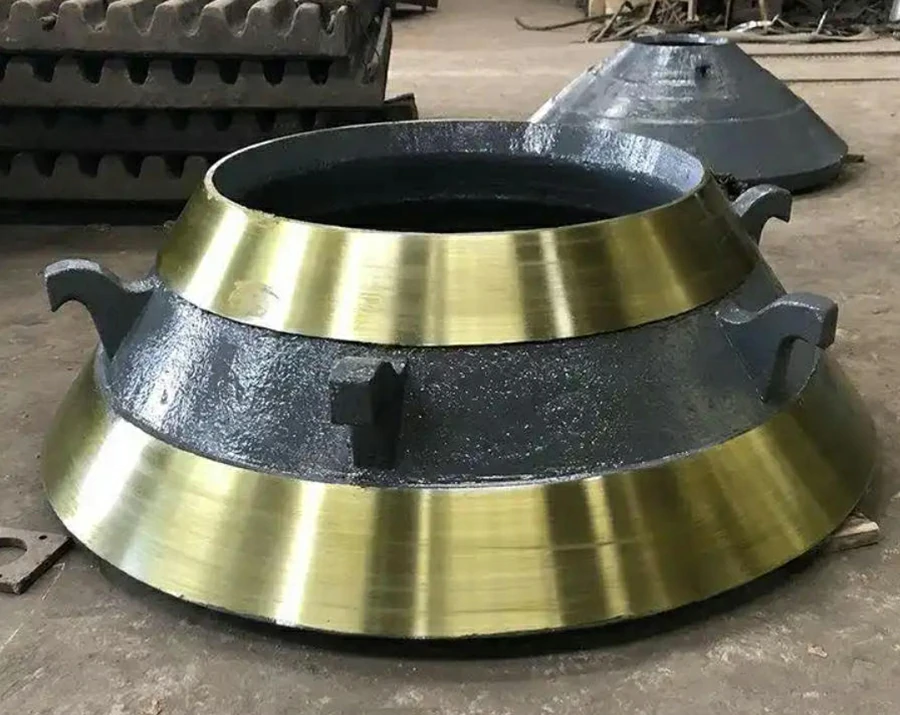
Counterfeit parts often copy the outer shape but ignore the hidden functional surfaces. This is why some parts look correct but are difficult to install, require unsafe grinding on site, or create abnormal wear after a short service period. A good part should fit without forcing, burning, hammering, or modifying the crusher structure.
Verify weight, profile, and chamber geometry
Weight is not the only quality indicator, but it is useful. If a mantle, jaw plate, concave, or liner is significantly lighter than the expected OEM reference, it may have reduced thickness, altered geometry, or missing reinforcement. A difference of 2 percent to 5 percent may be acceptable depending on pattern revision and casting tolerance. A larger difference should be investigated carefully, especially for major wear parts.
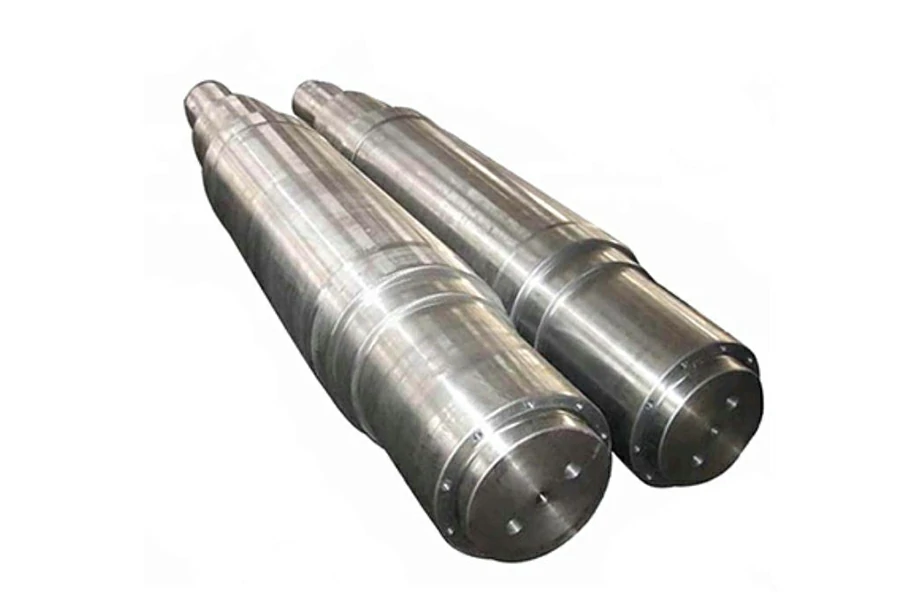
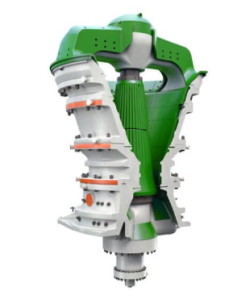
Cone Crusher Spare Parts
For cone crusher parts, profile accuracy affects crushing efficiency directly. The mantle and concave create the crushing chamber. If the profile is wrong, the crusher may show poor capacity, uneven liner wear, increased circulating load, excess fines, or unstable power draw. A high quality supplier should be able to compare the profile with drawings, 3D scans, templates, or verified samples. For repeat orders, wear life should be tracked by tons crushed per set, operating hours, feed type, and final product size.
In many mines and quarries, operators only record the number of days a liner lasts. That is not enough. A liner lasting 40 days at 250 tons per hour is very different from a liner lasting 40 days at 420 tons per hour. The better measure is cost per ton, production stability, and the ability to maintain product size until the liner is near the end of service life.
Review machining quality on precision crusher spares
Not all crusher parts are wear liners. Eccentric bushings, countershaft bushings, head bushings, step bearings, main shafts, pinions, gears, adjustment rings, torch rings, seals, and hydraulic components require precision machining and correct material control. These parts are often more dangerous when counterfeited because failure can damage expensive assemblies.
Bronze bushings should use appropriate copper alloy material, controlled casting, correct oil groove shape, smooth surface finish, and accurate clearance. If clearance is too tight, the bushing may seize under heat. If clearance is too loose, oil film stability drops and vibration increases. Gear parts should show correct tooth contact, surface hardness, runout control, and noise behavior under load. A poor gear may run for a short period, then create metal particles in the oil and damage the drive system.
For these precision parts, ask for machining inspection reports, hardness checks, material certificates, and photos of critical dimensions. A trustworthy supplier should not hesitate to provide them. Low quality sellers often avoid technical discussion because they do not control the manufacturing process.
Use documentation to separate real suppliers from traders with no control
Documentation does not guarantee quality by itself, but weak documentation is a warning sign. Reliable suppliers normally provide part drawings when appropriate, material certificates, inspection reports, hardness results, packing lists, installation guidance, and traceability records. For larger projects, third party inspection, ultrasonic testing, magnetic particle testing, and dimensional reports may be requested.
For cast wear parts, ultrasonic testing can help identify internal defects in thick sections. Magnetic particle testing can reveal surface cracks on ferromagnetic materials. Hardness testing can confirm whether the delivered part is within the expected range. For precision parts, coordinate measuring equipment, micrometers, bore gauges, and surface roughness instruments may be used depending on the part type.
If the supplier claims OEM quality, ask what that means. Does it mean compatible fit, similar material grade, equivalent process control, or original manufacturer authorization. These are not the same. A professional aftermarket supplier can produce excellent parts, but the claim should be supported by engineering data, production capability, and field performance records.
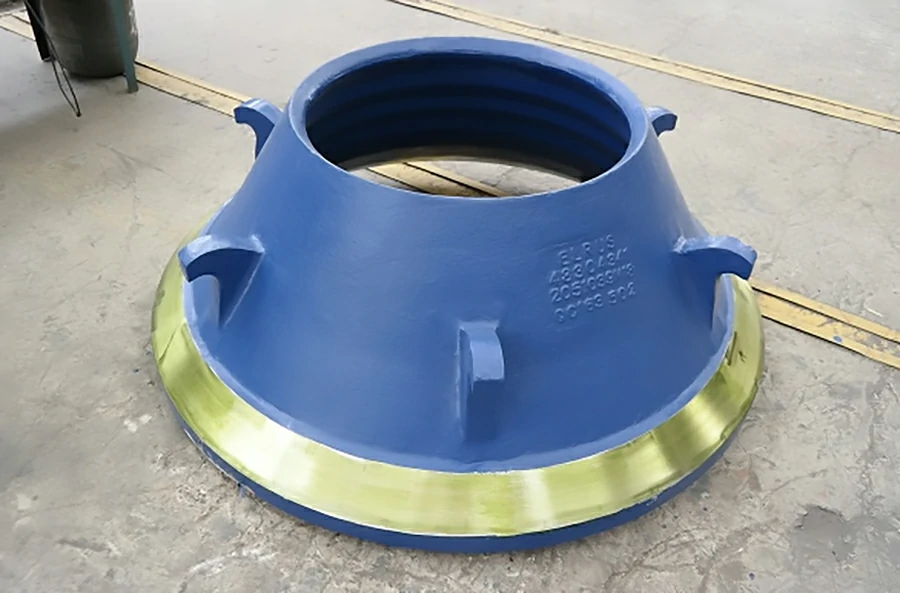
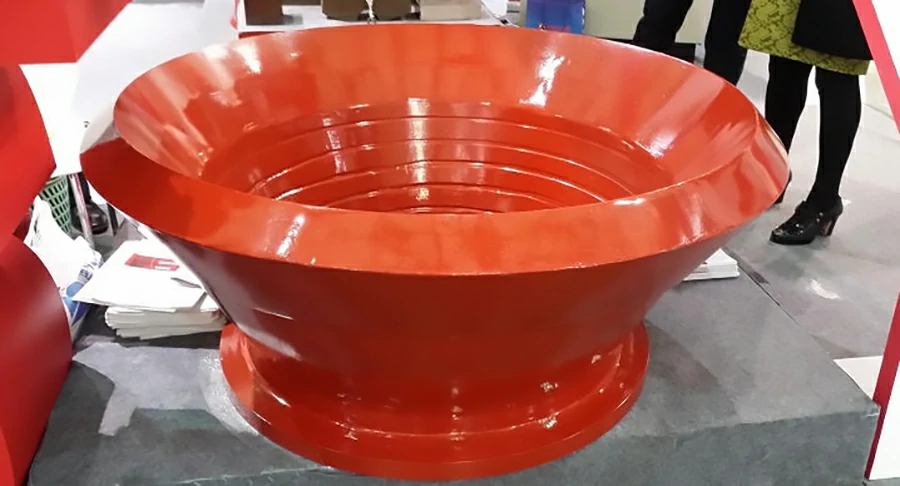
OEM quality Bowl Liner for Spring Cone Crusher
Recognize common signs of counterfeit crusher parts
- Unusually low price that is far below market level without a clear reason often indicates recycled material, poor heat treatment, uncontrolled casting, or incorrect grade substitution.
- No batch traceability means the supplier may not be able to identify which furnace, heat treatment lot, or inspection process produced the part.
- Generic certificates with no heat number, no part number, no production date, and no inspector reference should not be trusted.
- Poor packaging can cause damage during ocean shipment, especially for machined surfaces, thin edges, bolt holes, and locking areas.
- Installation difficulty is a serious warning sign. Good crusher parts should match the equipment without field rework.
- Fast early wear after normal installation may indicate wrong material selection, poor profile, low hardness stability, or weak work hardening behavior.
Evaluate supplier experience through technical questions
A capable crusher parts supplier should be comfortable answering practical field questions. Ask which manganese grade is better for high impact granite. Ask when Mn18Cr2 is more suitable than Mn22Cr2. Ask how chamber profile affects feed opening and product size. Ask how ceramic inserts behave with tramp iron. Ask what hardness range is expected after heat treatment. Ask how they inspect seating surfaces. Ask how they handle a wear life complaint.
The answers will reveal whether the supplier understands crushing or only sells catalog numbers. Real expertise sounds specific. It mentions feed size, chamber loading, crusher model differences, lubrication, closed side setting, wear patterns, and operating discipline. Weak suppliers usually answer with broad claims such as best quality, long life, and factory price, without explaining why.
For Newreg or any crusher parts supplier aiming to serve mines, quarries, cement plants, and aggregate producers, the strongest message is not only that parts are available. The stronger message is that the supplier understands how parts behave inside the machine and how to reduce downtime through correct selection, inspection, and support.
Build a practical incoming inspection process
Before any critical crusher part enters storage or installation, the maintenance team should perform a simple incoming inspection. Confirm the part number, crusher model, chamber type, material grade, quantity, weight, visible condition, and packing status. Measure key dimensions when possible. Compare the part with the previous reliable sample or approved drawing. Check that lifting points are safe and clearly formed. Confirm that the supplier documentation matches the physical marking on the part.
For wear liners, record the starting weight, installation date, crusher hours, feed material, closed side setting, and final removal weight. For bushings and precision spares, record clearance, oil condition, temperature behavior, and vibration readings after installation. These records help build a reliable supplier scorecard. Over time, you will know which parts deliver the lowest cost per ton, not just the lowest price per piece.
Understand why counterfeits are expensive
A counterfeit mantle or concave may save a small amount during purchasing, but the hidden cost can be severe. If a liner fails early, the site pays for unplanned shutdown, crane time, labor, lost production, delayed orders, extra power consumption, and possible damage to the crusher. If a bushing fails, the damage can extend to the main shaft, eccentric, gear set, lubrication system, and frame components. In a busy quarry producing 300 to 600 tons per hour, even a few hours of downtime can exceed the price difference between a poor part and a high quality part.
There is also a safety cost. Broken liners, loose jaw plates, cracked blow bars, and failed locking systems can create serious hazards. Crushing equipment stores high mechanical energy. Any part that is installed inside the chamber, rotor, or drive system must be treated as a safety critical component.
Choose long term value instead of short term price
The best purchasing decision balances price, fit, material, service life, delivery, technical support, and risk. High quality crusher parts should provide stable wear life, predictable installation, accurate fit, proper documentation, and responsive service when field problems occur. For cone crusher parts, this also means chamber accuracy, reliable manganese performance, controlled machining on mating surfaces, and consistent supply for common models.
When comparing suppliers, ask for real application cases, wear life feedback, inspection capability, material options, drawing support, customization ability, and after sales response. A supplier that can support customized parts from drawings or samples is valuable when machines are older, modified, discontinued, or working in unusual applications. Customization must still be based on engineering review, not blind copying.
High quality crusher parts are not identified by one single feature. They are identified by the combination of correct material, controlled heat treatment, clean casting, accurate dimensions, reliable documentation, field knowledge, and honest service. Counterfeit parts usually fail in one or more of these areas. If you inspect carefully before purchase and keep performance records after installation, you can protect the crusher, reduce downtime, and improve cost per ton across the whole crushing operation.