Hydraulic Cone Crusher Failure Shutdown: Field Repair Execution and Engineering Control from Emergency to Stable Production
Main shaft temperature spiking to 95°C within 30 minutes, combined with abnormal vibration amplitude exceeding 6.5 mm/s, is a typical precursor to catastrophic shutdown in multi-cylinder cone crushers. In this case, the production line halted immediately after the lubrication pressure dropped below 0.1 MPa, triggering an automatic protection stop. The root cause was later traced to severe wear of the eccentric bushing and improper clearance exceeding 0.35 mm, far beyond the standard 0.10–0.20 mm operating range.
Rapid Response: On-Site Diagnosis and Controlled Disassembly
Upon receiving the emergency call, the Yonsmen engineering team mobilized immediately. Time loss in such failures directly translates into production losses exceeding 500 tons per hour in medium-scale aggregate plants.
The first step was a controlled shutdown inspection:
- Lubrication oil contamination level: ISO 4406 measured at 22/20/17, indicating severe contamination
- Main shaft radial runout: measured at 0.08 mm (within tolerance ≤ 0.10 mm)
- Eccentric bushing wear: localized scoring depth reaching 1.2 mm
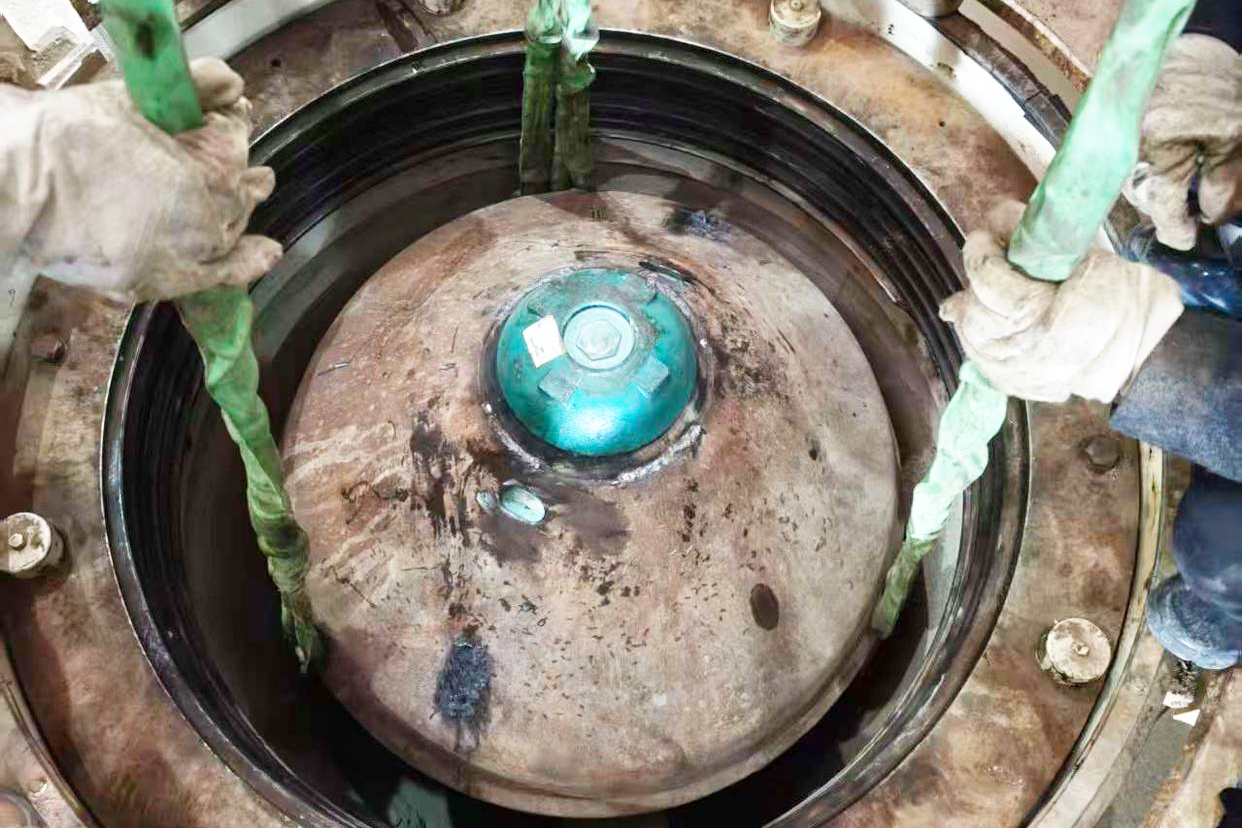
Disassembly followed strict procedures to prevent secondary damage. Hydraulic nuts were released under controlled pressure, and all mating surfaces were cleaned to Ra ≤ 3.2 μm before inspection.
Root Cause Analysis: Material Fatigue and Lubrication Breakdown
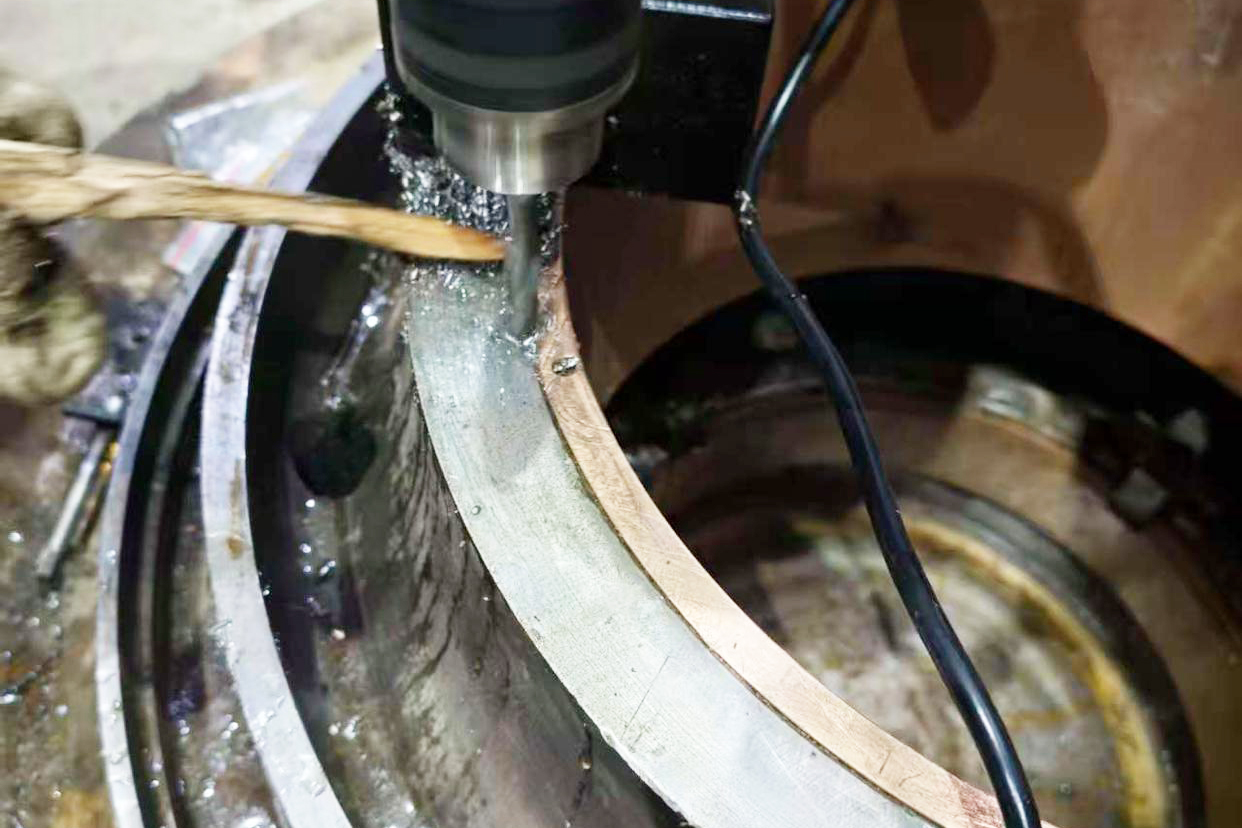
The failed components were identified as critical crusher parts, specifically the eccentric bushing made from C93800 tin bronze. This material typically operates with hardness around 65–85 HB and is designed for embedding fine particles. However, oil contamination and insufficient film thickness caused boundary lubrication failure.
Key contributing factors included:
- Oil viscosity drop: ISO VG 220 degraded to approximately 140 due to overheating
- Particle contamination: silica particles < 75 μm causing abrasive wear
- Clearance expansion: exceeding design tolerance by over 75%
Once the oil film thickness dropped below 0.08 mm, direct metal contact occurred, initiating galling and thermal damage.
Precision Installation: Liquid Nitrogen Shrink Fit for Bushing Assembly
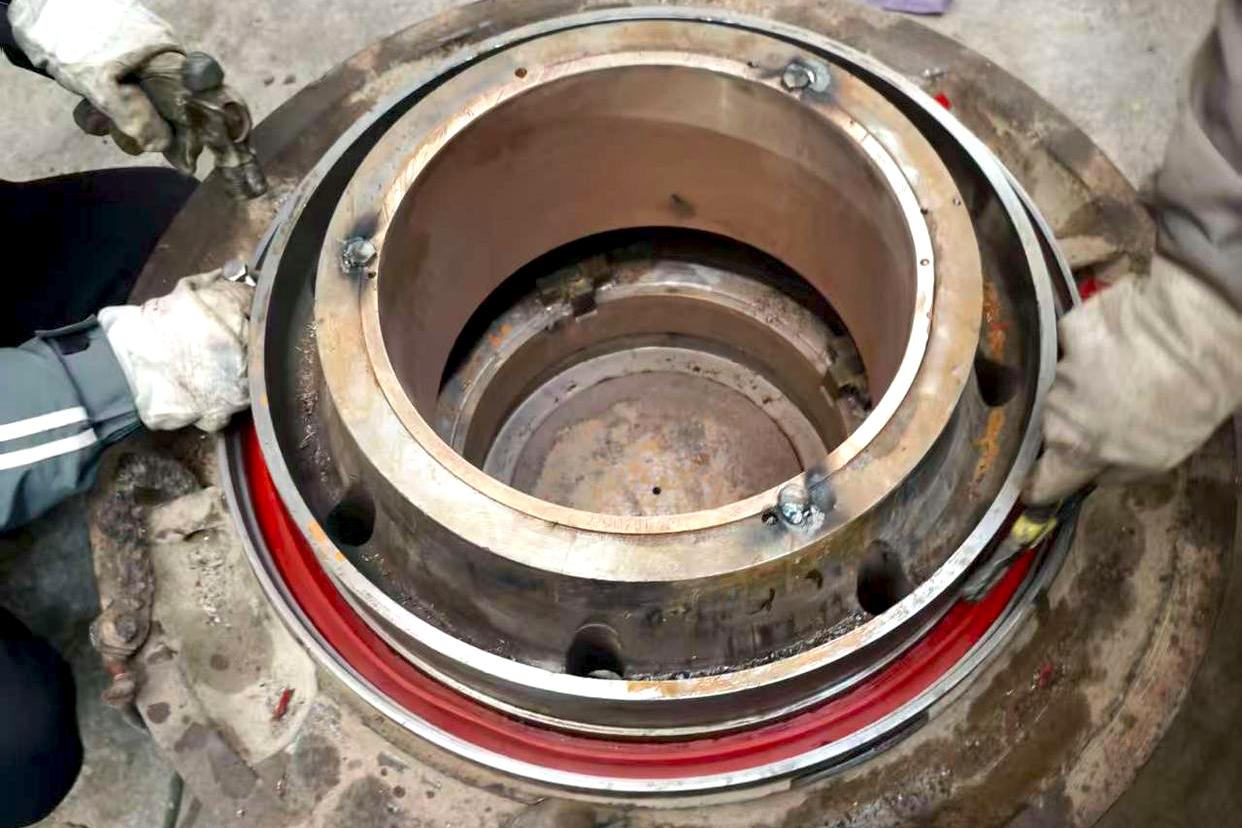
Replacing the damaged crusher parts required precise thermal installation techniques. The new eccentric bushing was manufactured by a certified crusher parts manufacturer using ASTM B505 C93800 bronze with dimensional tolerance controlled within ±0.03 mm.
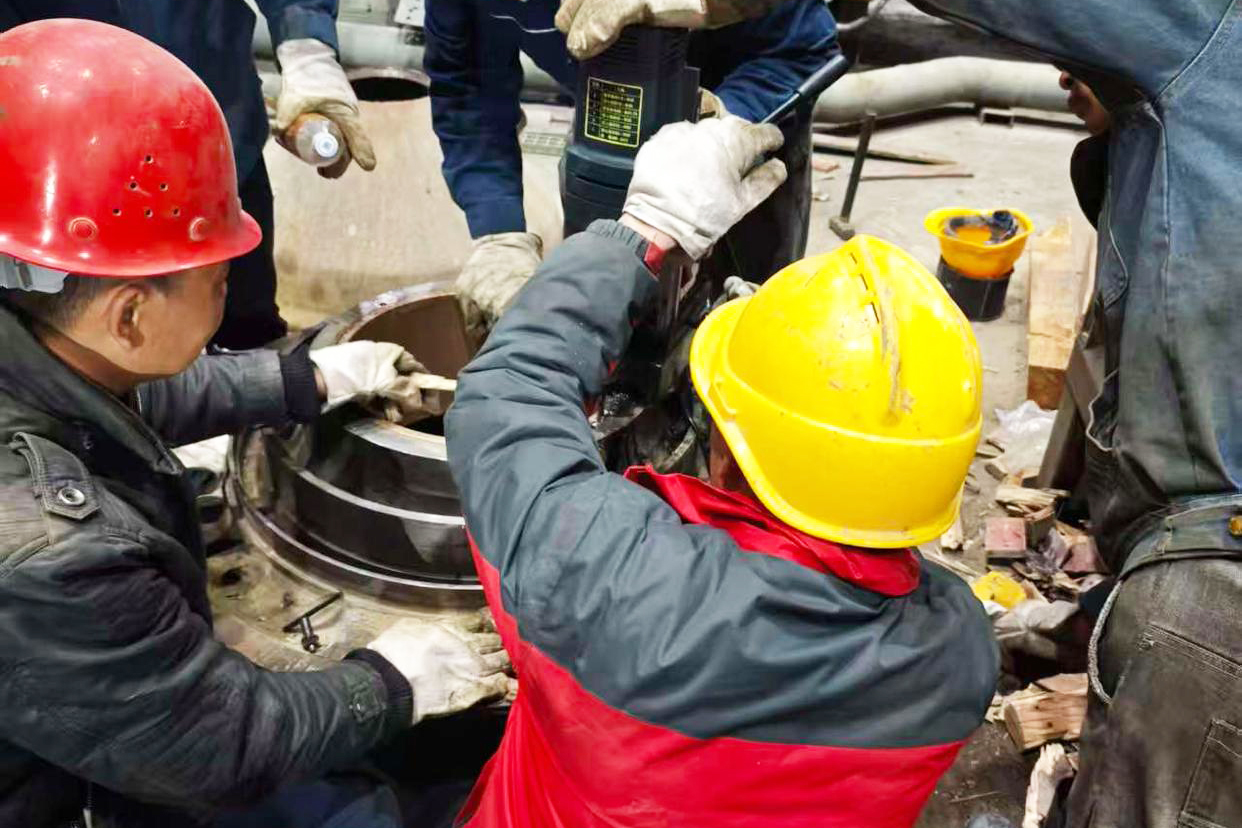
To achieve proper interference fit, liquid nitrogen cooling was applied:
- Cooling temperature: approximately -196°C
- Shrinkage allowance: 0.05–0.08 mm depending on diameter
- Installation window: less than 3 minutes before thermal expansion
The shaft surface roughness was maintained at Ra ≤ 1.6 μm to ensure proper contact and minimize micro-movement under load.
[Option C: Field Case Snippet]
I personally supervised a similar installation where improper heating instead of cooling was used. The result was uneven expansion and a misalignment of 0.12 mm, leading to premature failure within 500 hours. After switching to liquid nitrogen shrink fitting, alignment accuracy improved significantly, and service life exceeded 9,000 hours.
Trial Operation Under Load: Dynamic Optimization
After reassembly, the crusher was not immediately returned to full capacity. Instead, a staged commissioning process was implemented:
- No-load test: 2 hours, monitoring vibration ≤ 2.8 mm/s
- Partial load (50%): 4 hours, checking oil pressure stability at 0.18–0.22 MPa
- Full load with material: gradual increase to 90% capacity
During the material-fed test, adjustments were made to optimize the eccentric throw and ensure uniform crushing force distribution. Feed size was controlled below 80% of the maximum feed opening to prevent shock loading exceeding 160 MPa.
Operator Training and Knowledge Transfer
Technical repair alone does not guarantee long-term stability. Direct communication with operators was critical to prevent recurrence.
The Yonsmen team conducted on-site training covering:
- Daily oil inspection standards: visual clarity and contamination indicators
- Temperature monitoring thresholds: alarm at 85°C, shutdown at 95°C
- Feed control techniques: avoiding segregation and uneven loading
This knowledge transfer is often overlooked but plays a decisive role in extending equipment lifespan.
Never rely solely on automated alarms. I always advise operators to manually check oil viscosity by touch during routine inspections. A noticeable drop in resistance is often the first sign of oil degradation before instruments detect it.
Crusher Parts Supplier vs Manufacturer: Engineering Capability Matters
During the repair, it became clear that sourcing from a qualified crusher parts supplier is not enough. The manufacturing capability behind the component determines long-term reliability.
| Factor | Certified Manufacturer | Generic Supplier |
| Material Standard | ASTM B505 C93800 verified | Unverified alloy composition |
| Machining Tolerance | ±0.03 mm | ±0.10 mm or higher |
| Surface Roughness | Ra ≤ 1.6 μm | Ra 3.2–6.3 μm |
| Service Life | 8,000–10,000 hours | 2,000–4,000 hours |
| Total Cost Over 2 Years | 1.0x baseline | 1.7–2.3x due to downtime |
Choosing a reliable crusher parts manufacturer ensures consistency in material properties, dimensional accuracy, and performance under high stress conditions.
System-Level Integration: Preventing Future Failures
The repaired crusher parts were only one part of the solution. System-level improvements were implemented:
- Lubrication system upgrade: improved filtration to ISO 4406 ≤ 18/16/13
- Oil cooling enhancement: maintaining temperature below 70°C
- Clearance monitoring schedule: monthly measurement using dial indicators
Maintaining oil film thickness above 0.12 mm ensures separation of metal surfaces even under peak loads.
From Emergency Shutdown to Stable Production
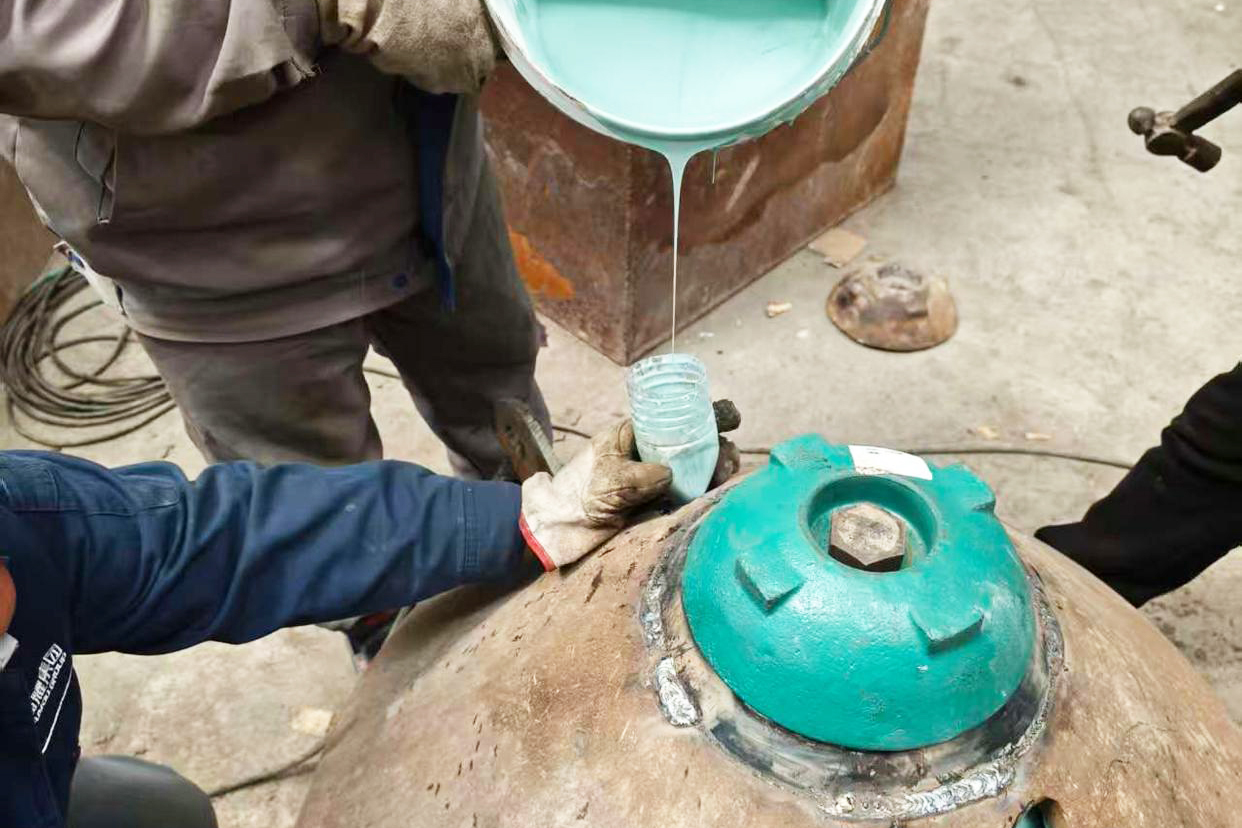
Within 48 hours, the production line resumed operation with vibration levels stabilized below 3.0 mm/s and oil pressure consistently maintained at 0.20 MPa. Output returned to 95% of rated capacity without abnormal temperature rise.
This case demonstrates that failure in critical crusher parts is not random. It is the result of measurable deviations in material performance, lubrication condition, and installation precision.
Effective repair requires not only replacement but also engineering control over every parameter involved in load transmission and motion.