At a copper porphyry operation in Yunnan Province, a 400 kW secondary crushing circuit went from producing 850 tonnes per hour to a forced shutdown in under three hours. The trigger was not a broken mantle, a seized eccentric, or a tramp iron event — it was lubricating oil temperature that climbed from a stable 48°C to 79°C over a single shift, tripping the thermal cutout and starving the crusher parts of any meaningful film protection. When we opened the lube system, the ISO VG 220 mineral oil had already begun to oxidize at the surface, and the return line filter was 94% blocked with fine silica-laden sludge. The repair window cost the site 31 hours of lost production. Every hour of that downtime was preventable.
Cone crushers used as secondary and tertiary reduction equipment in hard rock mining are thermally demanding machines. The eccentric gyration rate, the continuous metal-to-metal contact between bushing and shaft, and the frictional heat generated across the bevel gear mesh all contribute to a base thermal load that the lubrication system must continuously dissipate. When that system cannot keep pace, the consequences escalate quickly — from reduced oil viscosity and inadequate film thickness, to bushing seizure, to shaft failure. Understanding exactly why oil temperature rises, and what the correct engineering response is for each scenario, is among the most practically valuable knowledge a maintenance team can apply to these crusher parts.
What Oil Temperature Should a Cone Crusher Actually Run At?
The operating oil temperature specification is not arbitrary. Based on field data and OEM documentation across multiple major platforms including Metso HP series, Sandvik CH series, and FLSmidth Raptor series, the consensus operating band for cone crusher lubricating oil at the return line (measured post-bearing, pre-cooler) is 38–55°C under normal load conditions. The preferred steady-state range is 38–46°C, which sustains the ISO VG 220 or VG 320 oil viscosity at approximately 45–65 cSt — the range required to maintain an adequate elastohydrodynamic film across the eccentric bushing and main shaft bearing interfaces.
When return-line oil temperature exceeds 60°C, the kinematic viscosity of ISO VG 220 oil drops below 30 cSt. At this point, the specific film thickness (Lambda ratio) across the eccentric bronze bushing — a C93700 or C93800 high-tin bronze alloy with a surface hardness of 60–75 HBW and a surface finish specification of Ra ≤ 1.6 μm — drops below the critical threshold of 1.0, placing the contact into boundary lubrication. Boundary lubrication at the main shaft-to-bushing interface generates heat faster than the oil circuit can remove it, and the thermal runaway cycle accelerates. Most OEM-specified lube systems include a thermal cutout that triggers machine shutdown when return oil temperature reaches 70°C, and a warning alarm at 60°C. Those thresholds exist because sustained operation above 60°C causes metallurgical changes in the bronze bushing alloy and surface fatigue on all adjacent crusher parts.
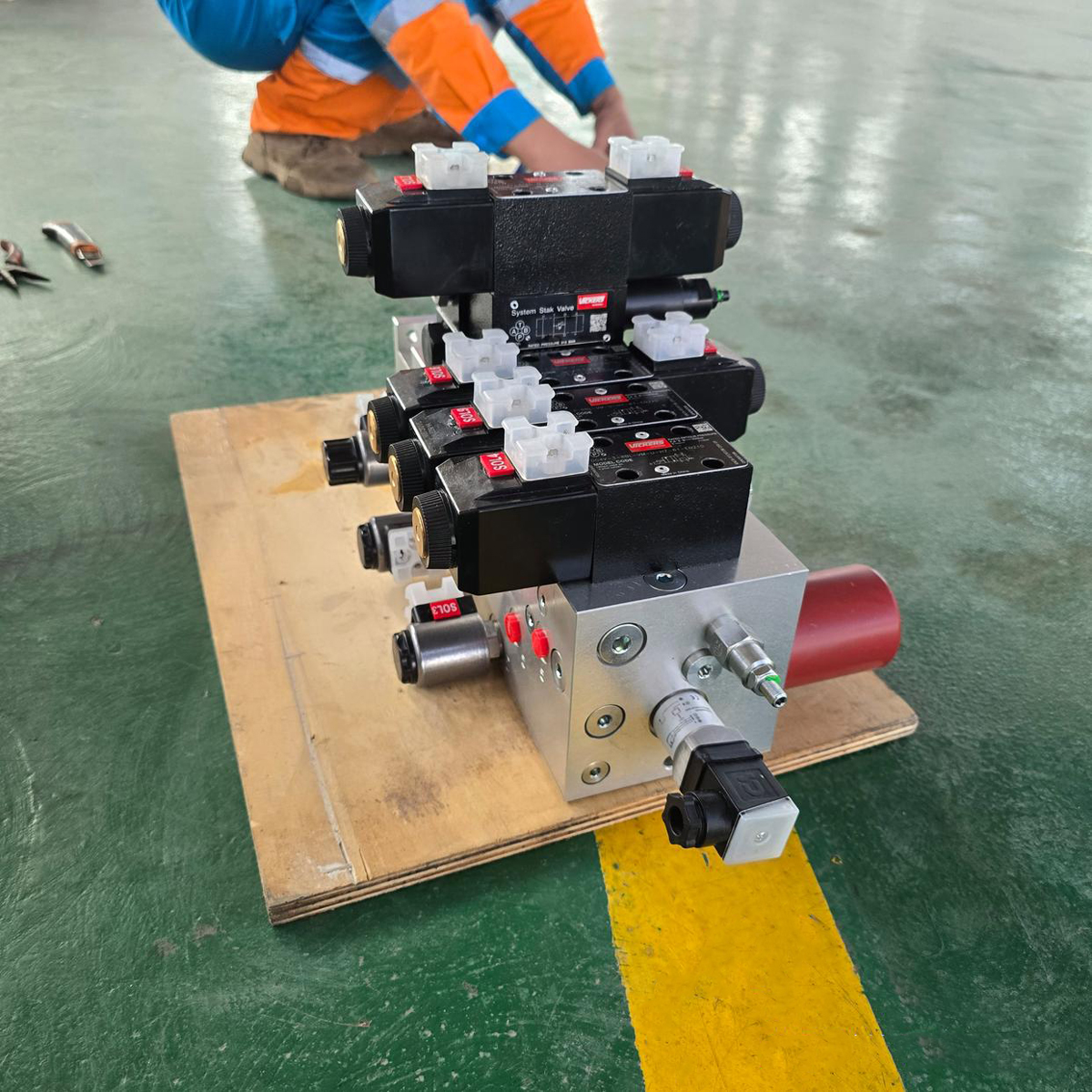
Five Causes of Elevated Oil Temperature and Their Correct Engineering Response
Cause 1: Blocked Return Line Reducing Oil Circulation Volume
The return oil line carries hot oil from the crusher’s eccentric chamber and bearing interfaces back to the tank for cooling and filtration. The required return flow rate is not a minor figure — on a mid-size secondary crusher rated at 160–315 kW, the lube system is typically specified to circulate 40–80 liters per minute. A healthy return flow should fill the return sight glass to at least half its diameter. When that sight glass shows less than one-quarter fill, or the flow is pulsating rather than steady, the return line is partially obstructed.
The obstruction is almost always a combination of two factors: a partially collapsed flexible hose section (particularly in cold-climate startups where the hose stiffens) and a filter element loaded beyond its dirt-holding capacity. A bypass indicator that reads in the red zone on the return filter confirms this diagnosis without disassembly. The solution is sequential: first, isolate and inspect the full return line length for collapsed sections or kinked fittings; second, replace the filter element (do not simply clean and reinstall a pleated paper element that has been in service beyond its rated change interval); third, flush the return circuit with clean oil of the same grade before returning to service.
Pro-Tip: I have encountered multiple sites where the return line temperature sensor was installed immediately after the eccentric housing drain port rather than at the line return to the tank — a location that reads 6–12°C higher than the tank return due to proximity to the heat source. Before diagnosing a high-temperature fault, verify that the sensor location matches the OEM specification drawing. An incorrectly positioned sensor has triggered unnecessary shutdowns and misdirected maintenance resources on more than one occasion in my experience.
Cause 2: Degraded Lubricating Oil Beyond Its Service Life
Lubricating oil in a cone crusher is not a passive fluid — it is an active engineering component, and its performance degrades on a predictable timeline that is directly related to operating hours and thermal load. The standard service interval for mineral-base gear and bearing oil in cone crusher applications is 2,000 operating hours or 12 months, whichever comes first. Beyond that threshold, the base oil oxidation index (measured as acid number in mg KOH/g) rises above 2.0, the viscosity index improver additives shear-thin below specification, and suspended particulate matter — predominantly fine silica ingested past the labyrinth seals — accumulates to the point where the ISO 4406 particle count exceeds Code 21/19/16.
Oil in this condition does two harmful things simultaneously: it lubricates less effectively (lower viscosity, depleted EP additive package), and it acts as a lapping compound against the bronze bushing and steel shaft surfaces. The surface finish on the main shaft journal, which the OEM specifies at Ra ≤ 0.8 μm with a hardness of 45–55 HRC achieved through induction hardening, begins to degrade toward Ra 1.6–2.4 μm. At that surface condition, the actual contact area at the bushing interface increases, friction rises, and heat generation per unit time increases proportionally.
The corrective action is oil change combined with a system flush. However, the flush must use oil of the same grade as the service fill — using a lighter flush oil in a system with residual degraded oil can strip the remaining additive package from the new charge within the first 200 hours of operation. After the oil change, an oil sample should be submitted for spectrometric analysis at 250 hours to confirm the new baseline iron (Fe) content is below 15 ppm and chromium (Cr) content is below 3 ppm, confirming that bushing and gear wear has returned to acceptable rates.
Cause 3: Blower Fan Malfunction Allowing Dust Ingestion
The positive-pressure blower fitted to the lower frame of cone crushers serves a function that is not intuitively obvious: it maintains a slight positive air pressure inside the crusher frame, preventing fine ore dust from being drawn into the eccentric chamber through the bottom shell labyrinth seal. When the blower is operating correctly, the air pressure differential across the seal is approximately 50–150 Pa above ambient, sufficient to reverse the airflow that would otherwise carry 100–400 μm silica particles directly into the oil stream.
A failed blower bearing, a clogged intake filter, or a broken drive belt allows frame pressure to equalize with ambient, collapsing the dust barrier. On sites processing quartzite or granite with a silica content above 60%, the rate of SiO₂ contamination in the lube oil can increase from 2–5 ppm/100 hours to 20–40 ppm/100 hours within days of blower failure. The resulting abrasive wear on the bronze bushing (C93800, tensile strength 240 MPa, hardness 60–75 HBW) and the case-hardened main shaft produces fine metallic and non-metallic debris that clogs the filter, increases oil temperature, and accelerates wear across all of the adjacent crusher parts in a compounding cycle.
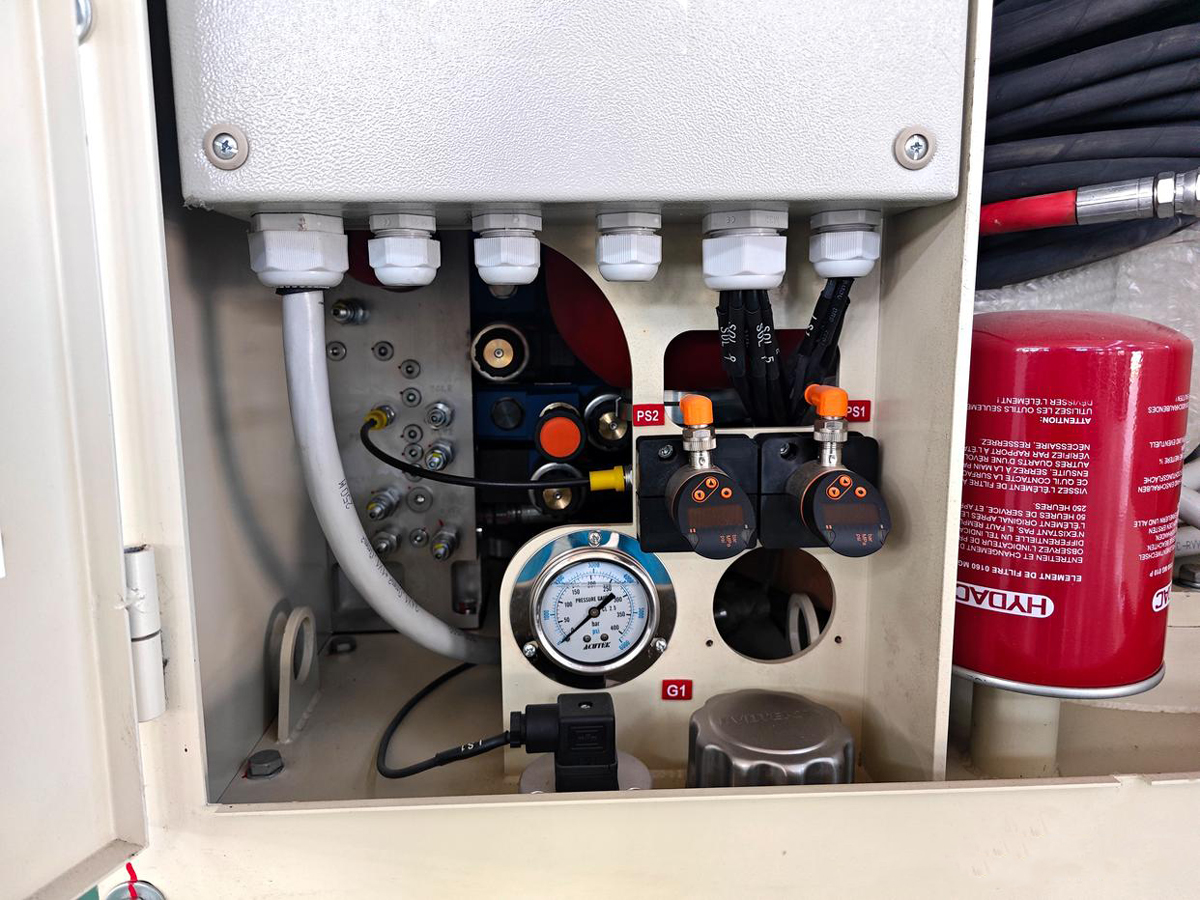
Most modern control systems display blower status on the SCADA interface using a green (normal) / red (fault) indicator. Do not dismiss a red blower status as a minor electrical nuisance — treat it as an active contamination event and investigate within one shift. The inspection should include the intake filter condition, motor current draw (a blocked intake produces a measurable drop in motor amperage), and the discharge pressure measured at the frame fitting.
Cause 4: Insufficient Cooling Capacity for Ambient Conditions
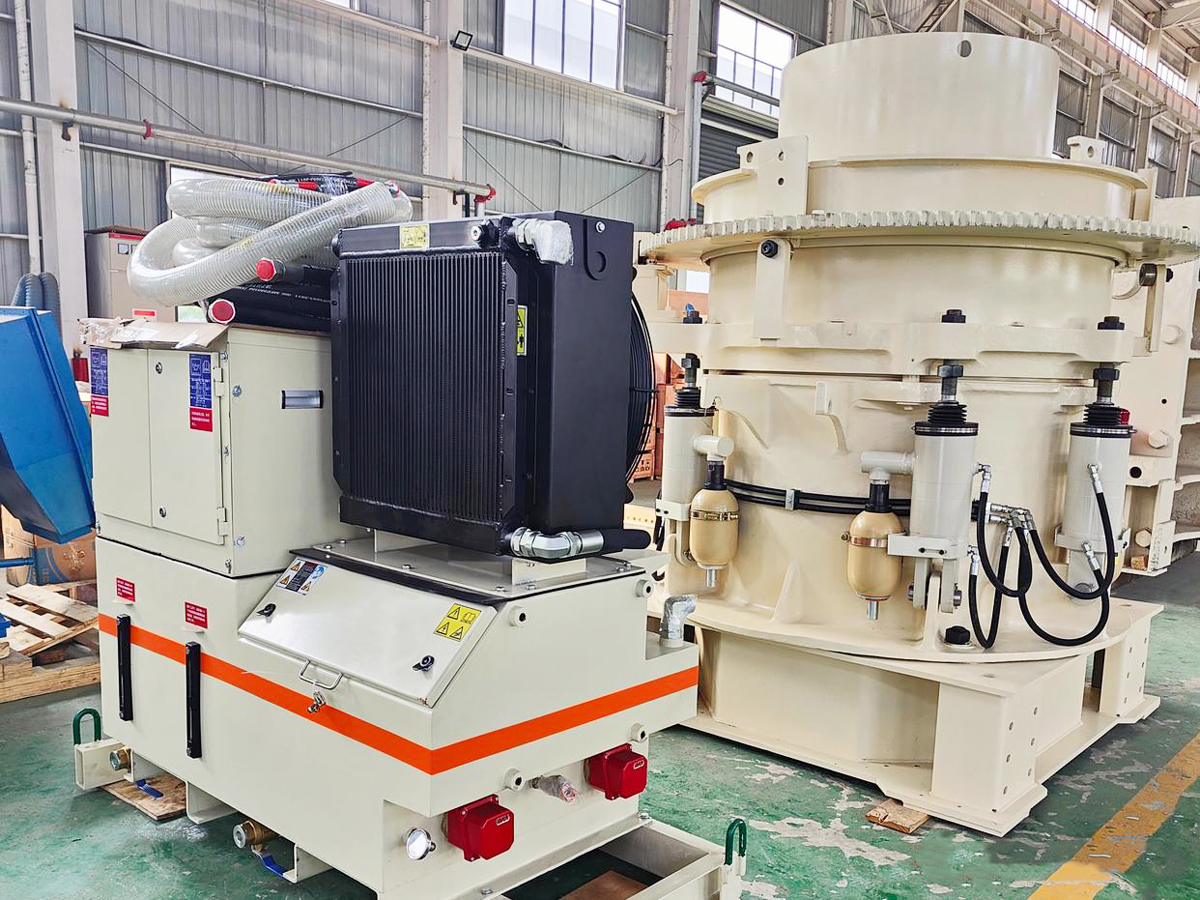
Factory-standard cone crushers are typically shipped with an air-blast oil cooler sized to maintain return oil temperature below 55°C at an ambient air temperature of 25°C and a rated feed rate. In field applications where ambient temperature regularly exceeds 35°C — a common condition across southern Africa, the Middle East, and tropical Asia during summer months — the original cooler’s thermal capacity is insufficient. At 40°C ambient with a 25 m/s cooler fan airflow, the temperature differential (ΔT) available for heat rejection drops from approximately 30°C to 15°C, reducing cooler duty by up to 50%.
The immediate maintenance response is to clean the cooler core fins. Mineral dust accumulates on the fin surfaces and acts as an insulating layer that can reduce effective heat transfer area by 30–45%. Cleaning with compressed air (blowing from the clean-air side toward the dirty-air side) should be performed at every planned maintenance interval, not only when high-temperature faults appear. On a fouled cooler core, this single action can recover 8–15°C of return oil temperature reduction.
The longer-term engineering solution for chronic high-temperature environments is the addition of a water-cooled plate heat exchanger installed in series between the air-blast cooler outlet and the main supply line to the crusher parts. A shell-and-plate design rated at 80 kW thermal duty, using process water at 25–30°C on the secondary side, can reduce supply oil temperature by an additional 10–18°C without modifying the existing lube skid. The installation connection points are the air cooler oil outlet (existing flanged connection) and the main lube supply header — no major piping modification is required.
Field Case Snippet: In 2022 I assisted with a capacity debottlenecking project at a magnetite operation in the Pilbara region of Western Australia. The two secondary cone crushers on the circuit were running at 73% of rated throughput because operators were intentionally reducing feed rate to keep return oil temperature below 62°C. The ambient temperature in that location exceeds 42°C for roughly 90 days per year. Adding a brazed plate water cooler (rated at 60 kW, stainless steel plates, 316L) to each unit’s lube skid brought steady-state return oil temperature down to 48–51°C at full rated feed. Full production rate was restored within two weeks of commissioning. The capital cost of both coolers combined was recovered in 11 days of additional throughput.
Cause 5: Operating Current and Feed Rate Outside the Designed Band
Cone crusher drive current is the most direct real-time indicator of crushing load, and it has a direct relationship to the thermal load placed on the internal crusher parts. The standard operating current range for a secondary cone crusher varies by frame size and motor rating, but as a general reference the 30–35 A band applies to mid-size machines in the 160–220 kW class. Operating consistently at the upper end of this range or above it (40+ A) indicates that the crushing chamber is being presented with more material than the closed-side setting and eccentric throw can efficiently process.
Sustained overcurrent operation has two thermal consequences. First, it increases the compressive force on the mantle-concave interface, which raises the temperature of the head assembly and the main shaft — heat that conducts directly into the eccentric oil film. Second, it forces the hydraulic relief system to cycle more frequently, with each relief event introducing a brief episode of high-shock loading across the bevel gear mesh and the eccentric bushing, both of which are thermally sensitive crusher parts. Each shock event dissipates energy as heat into the oil at the eccentric interface.
The corrective approach is feed control, not simply current limiting. The feed distribution above the crushing head must be concentric and consistent — a segregated feed where coarse material accumulates on one side of the head produces uneven loading, intermittent overcurrent spikes, and asymmetric eccentric bushing wear. The feed level above the feed plate should be maintained at no less than 300 mm to ensure a full, uniformly distributed choke-feed condition, which actually reduces peak current spikes by pre-loading the chamber and dampening the variation between individual rock fracture events. With proper choke-feed control, the operating current typically stabilizes in the 28–33 A range and return oil temperature drops 5–9°C compared to non-choke-feed operation.
Diagnostic Summary: Oil Temperature Troubleshooting Matrix
| Symptom | Most Likely Cause | Diagnostic Check | Immediate Action |
|---|---|---|---|
| Gradual rise over weeks | Oil degradation or cooler fouling | Oil sample analysis; cooler ΔT measurement | Oil change + cooler cleaning |
| Sudden spike during operation | Return line blockage or blower failure | Sight glass flow check; SCADA blower status | Shut down; inspect filter and blower |
| Seasonal high temperature (summer only) | Insufficient cooler capacity | Ambient temperature vs. cooler spec comparison | Clean cooler fins; evaluate supplemental cooling |
| High current + high oil temp together | Feed rate / CSS mismatch | Feed level camera; current trend log | Adjust CSS; implement choke-feed control |
| High Fe and Cr in oil sample | Eccentric bushing or bevel gear wear | Oil spectrometric analysis; vibration spectrum | Plan inspection of eccentric crusher parts |
Preventive Maintenance Intervals to Avoid Thermal Failures
- Every 250 hours: check return oil sight glass flow rate; verify blower status and intake filter condition; record supply and return oil temperatures under steady load
- Every 500 hours: inspect and clean the air-blast cooler fin surfaces; check lube system filter differential pressure indicator; verify all temperature sensor positions against OEM schematic
- Every 1,000 hours: submit oil sample for spectrometric analysis targeting Fe, Cr, Al, Si content and viscosity at 40°C; inspect flexible hose sections in the return line for internal collapse
- Every 2,000 hours: full oil change with system flush; replace filter elements; check all temperature and flow sensors for calibration drift against a calibrated reference instrument
- Every 4,000 hours: full disassembly inspection of eccentric bushing and main shaft journal; measure journal surface finish with a portable profilometer; replace bushing if surface Ra exceeds 2.0 μm or if out-of-round exceeds 0.15 mm
The Cost of Ignoring Oil Temperature: A Realistic Failure Progression
When cone crusher oil temperature management is treated as a secondary concern, the failure progression follows a consistent and expensive path. Phase one is accelerated wear across all lubricated crusher parts — bushing, main shaft, bevel gear flanks, and thrust bearing — driven by reduced film thickness and increased particulate abrasion. Phase two is a detectable increase in iron and chromium content in the oil, typically visible in spectrometric analysis 300–600 hours before mechanical failure. Phase three is either a bushing seizure event, which typically causes scoring damage to the main shaft journal requiring surface grinding or full shaft replacement, or a bevel gear spalling event, which can produce secondary damage to the countershaft and pinion.
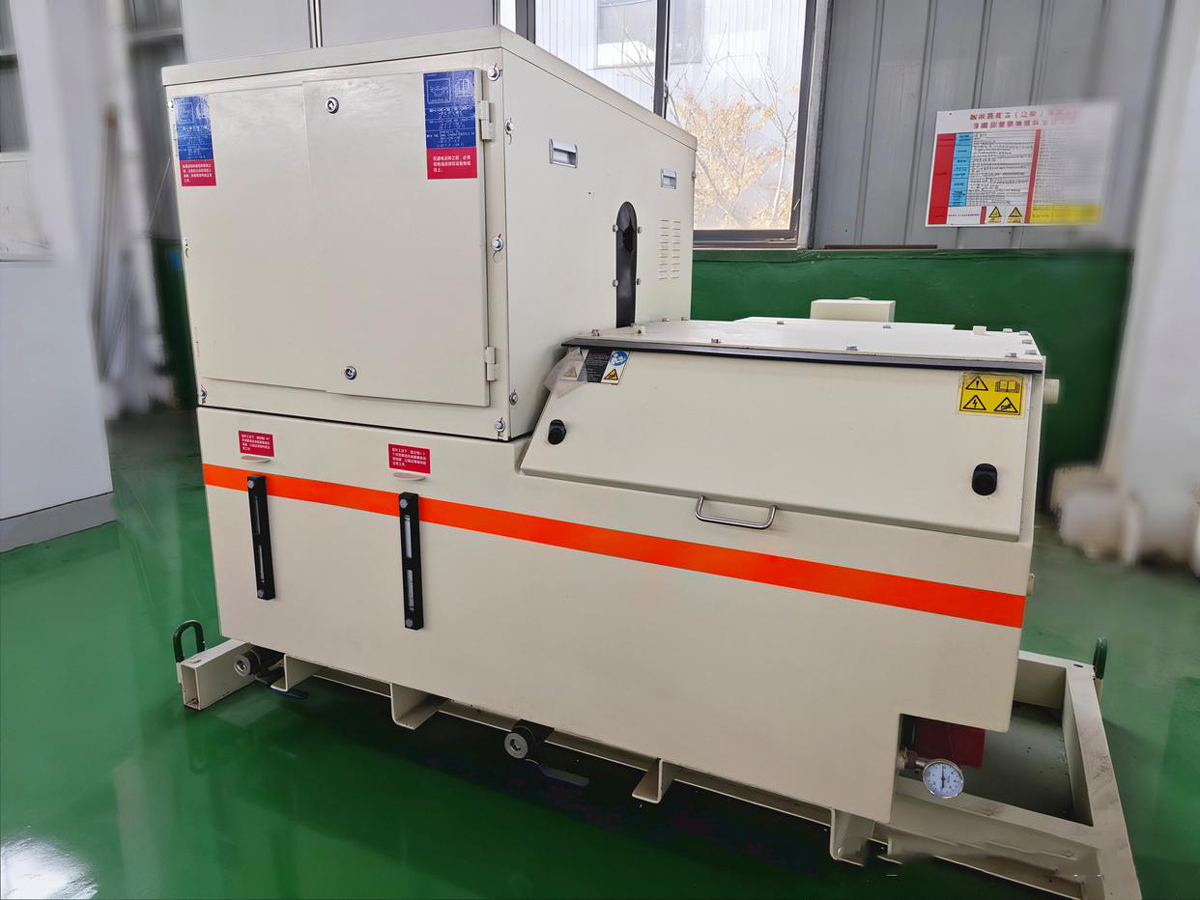
The direct cost of a bushing replacement on a mid-size secondary crusher — including the bronze bushing itself (C93800 alloy, typically $3,500–$6,000 USD depending on frame size), main shaft regrinding if the journal exceeds the 0.05 mm out-of-tolerance limit, crane time, and labor — runs $25,000–$55,000 USD for a planned event. For an emergency unplanned repair during a production shift, that figure doubles when lost production and expedited logistics costs are included. Every one of the five causes described in this article, addressed proactively during planned maintenance windows, costs a small fraction of that figure to correct.
Managing oil temperature in cone crushers is, at its core, a system management discipline. The oil temperature reading is not just a thermal metric — it is a real-time summary of the condition of every lubricated crusher part inside the machine. When that number starts to move in the wrong direction, the data is already telling you what to look for, and where to look first. After more than two decades of field investigations across hard rock mining operations, I can confirm that the sites with the best crusher availability records are not the ones with the most sophisticated equipment — they are the ones that take their lube oil temperatures as seriously as their feed tonnages.