How Crusher Parts Control Costs in Cement Raw Material Production
A cone crusher that draws normal motor current but loses ten percent of hourly output is often blamed on the feed or the operator. In many plants, the real cause is a distorted mantle profile, an uneven bowl liner, or excessive clearance at a supporting bushing. The machine still runs, yet every tonne carries more electricity, more recirculating load, and more maintenance exposure.
The purchase price of crusher parts is therefore only one line in the cost calculation. The larger financial effect comes from how accurately each component restores chamber geometry, controls motion, maintains lubrication, and allows the machine to operate near its intended capacity. A low priced liner that causes premature ring movement, poor product shape, or an early shutdown can cost more than a higher quality set that maintains a stable crushing profile.
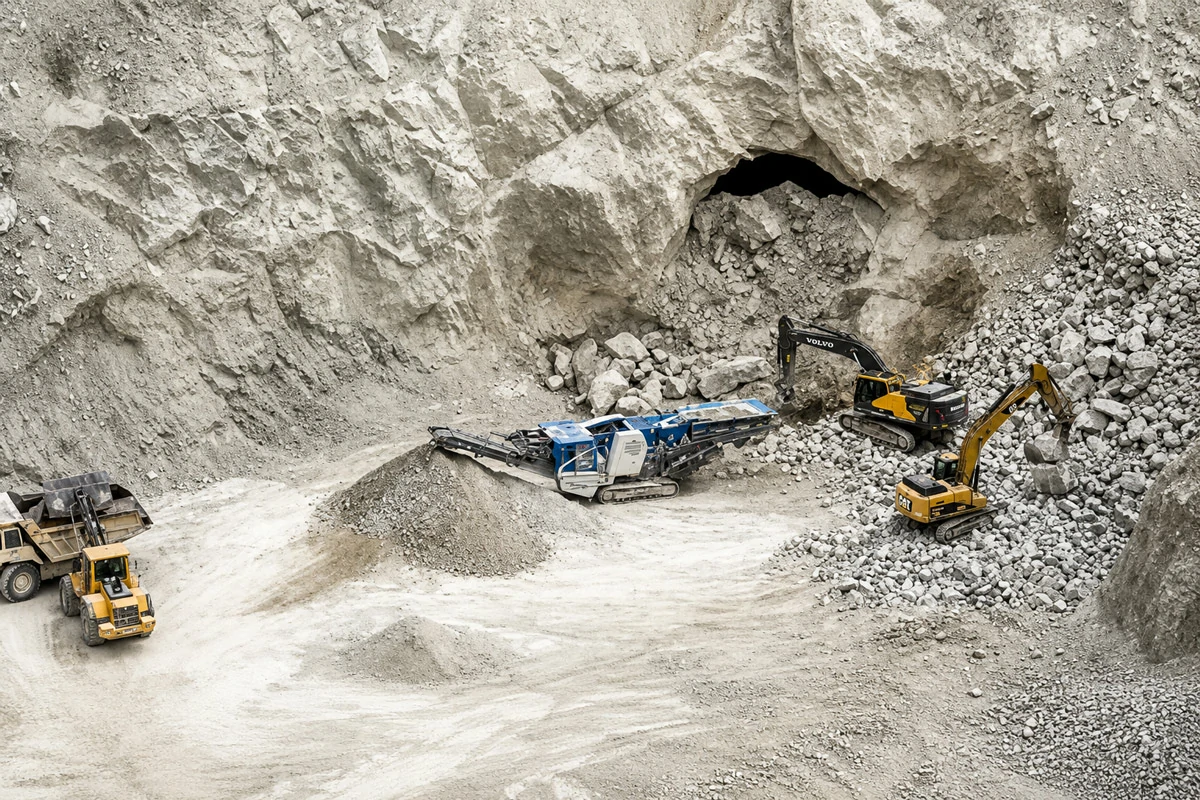
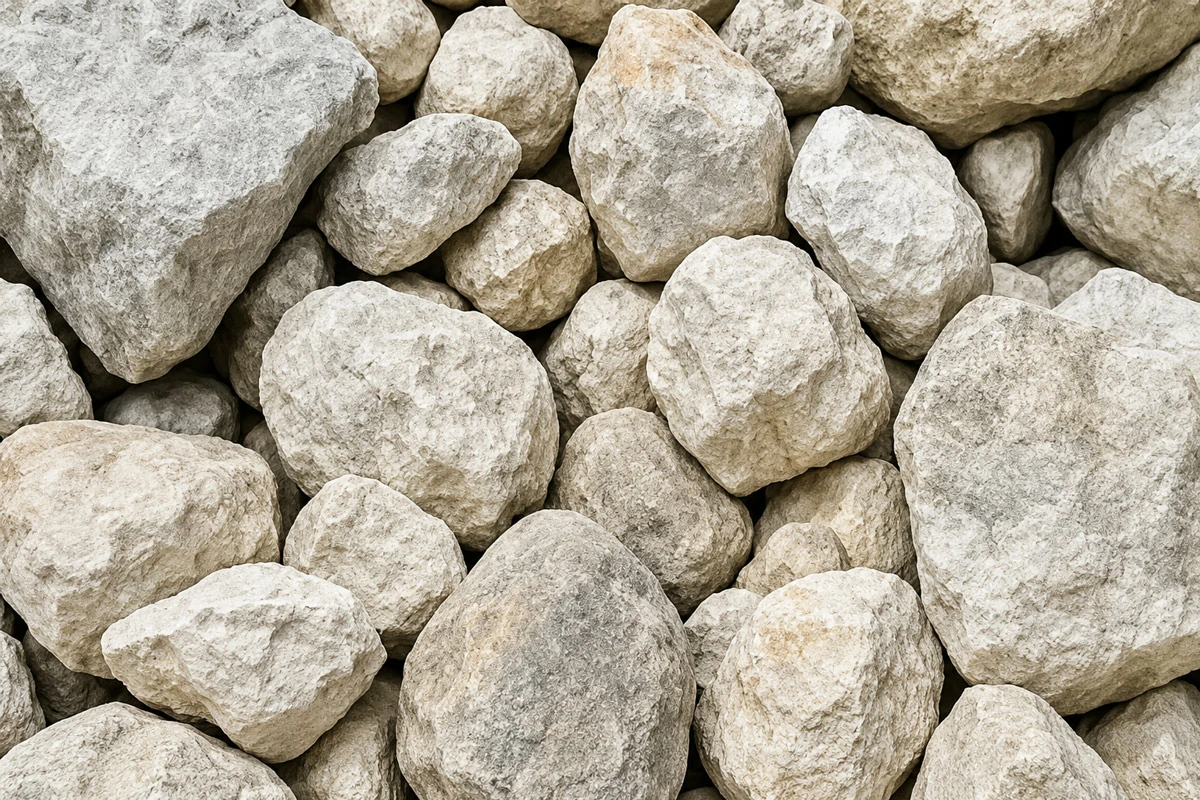
Cement plants crush limestone, clay, iron bearing material, and coal before proportioning, grinding, and kiln processing. Limestone normally represents the largest volume. Although calcite has a Mohs hardness of about 3, quarried limestone is not automatically easy on wear surfaces. Silica bands, chert, contaminated clay, moisture, and block shape can raise abrasion, increase packing, and create high local pressure in the crushing chamber.
The Cost Chain Begins at the Quarry Face
A useful operating measure is total crushing cost per net tonne. Include replacement components, installation labour, lifting equipment, planned downtime, unplanned downtime, energy, lost production, recirculating load, and secondary damage. Divide that total by saleable or process ready tonnes rather than gross feeder tonnes. This approach exposes false savings that remain hidden when purchasing teams compare only unit prices.
Feed condition changes wear faster than purchasing cycles
Metso guidance for HP Series cone crushers states that a standard chamber commonly uses a reduction ratio from 3 to 5, while a short head chamber commonly uses 2 to 4. The same guide notes that maximum feed in a standard chamber is approximately 80 percent of the open side feed opening. These are application guidelines rather than universal settings, but they show why chamber selection must follow the actual feed distribution.
Oversize rock can reduce capacity and create abnormal liner wear. Feed that is too small for the chamber can concentrate wear near the lower liner area. Material below 4 mm may promote packing in the cited HP application and should be reviewed for scalping before it enters the chamber. The correct decision depends on moisture, clay content, bulk density, and the plant circuit.
Uniform feed protects both output and metal
A full chamber supports interparticle crushing and spreads pressure over a larger working surface. The Metso application guide recommends choke feeding and an even 360 degree distribution around the chamber. For the referenced HP design, the guide identifies a feed level of at least 300 mm above the feed plate. A plant should confirm the corresponding requirement for its own model before changing chute geometry.
Uneven feed creates alternating power and force through each gyration. One side of the liner works harder, the wear profile becomes asymmetric, and the operator may tighten the setting to recover product size. That response can increase force and accelerate the same problem. A centre fed surge pocket, a properly designed distributor, and stable belt loading often extend liner usefulness without changing alloy grade.
Technical Parameters That Should Be Verified Before Installation
| Inspection item | Industry reference value | Cost control purpose |
|---|---|---|
| Feed mineral hardness | Calcite is about 3 on the Mohs scale. Test the actual quarry material for silica and abrasive inclusions. | Prevents selection of an alloy based only on the name limestone. |
| Austenitic manganese chemistry | A common ASTM A128 Grade B2 range uses 1.05 to 1.20 percent carbon and 11.5 to 14.0 percent manganese, with silicon not above 1.00 percent and phosphorus not above 0.070 percent. | Supports toughness and work hardening while limiting brittle or inconsistent castings. |
| Mechanical property reference | One ASTM A128 Grade A supplier data sheet lists 780 MPa minimum tensile strength and a hardness range from 240 to 600 HB. Treat these as supplier reference values rather than a universal ASTM acceptance rule. | Avoids rejecting or accepting a liner by an unsupported hardness number alone. |
| Dimensional tolerance | ISO 286 gives an IT7 tolerance width of 40 micrometres for nominal sizes above 120 mm through 180 mm and 46 micrometres above 180 mm through 250 mm. | Provides a scale for precision discussions while the actual fit remains controlled by the OEM drawing. |
| Shaft surface finish for solid bronze guidance | SKF plain bearing guidance shows a solid bronze shaft surface roughness range extending to about Ra 1.0 micrometre and a shaft hardness range of roughly 160 to 400 HB. | Reduces scoring, unstable oil film, and accelerated bushing wear. |
| Closed side setting | Use the calibrated OEM method and record the value under stable load. Do not copy a setting from another machine or chamber. | Protects capacity, product size, power draw, and liner profile. |
Engineering caution Chemical composition, tensile strength, hardness, tolerance, and surface finish must be confirmed against the exact machine drawing, purchase specification, material certificate, and inspection plan. Industry tables are useful for screening and discussion, but they do not replace model specific limits.
Choose Materials by Wear Mechanism Rather Than Reputation
A crusher wear part should be selected for impact level, compressive stress, abrasivity, feed size, and expected work hardening. Austenitic manganese steel is widely used for mantles and concaves because its tough austenitic matrix can harden under repeated impact and compression. More manganese is not automatically better. If the feed is too soft or the chamber is underfed, the surface may not work harden effectively and wear can remain rapid.
Before approving a new cone crusher part, compare its profile with the worn and new OEM reference using templates, scanning, or controlled dimensional checks. Measure seating surfaces, key contact areas, lifting points, and critical diameters. A visually similar casting can still shift the crushing zone and create concentrated wear.
Hardness should be interpreted with microstructure and service history
A single hardness reading cannot describe a manganese liner. The unworn core, the work hardened surface, and locally overheated areas may produce different values. Record the test method, location, surface preparation, and number of readings. Compare new liner data with a retained plant history that includes tonnes processed, feed source, power trend, setting, and final wear profile.
Bushings and Fits Control Hidden Downtime
The mantle and bowl liner receive most attention because their wear is visible. Bushings, thrust surfaces, seals, and lubrication passages often create the more expensive failure. Excessive clearance changes eccentric motion, disturbs oil film thickness, raises vibration, and can damage mating shafts or housings. A bushing that is replaced too late may turn a planned component change into a major rebuild.
Use the OEM procedure to measure installed clearance at defined temperatures and positions. Record bore size, shaft size, taper where applicable, out of round, and surface condition. ISO tolerance grades help engineers communicate precision, but they do not define the correct crusher fit by themselves. Thermal expansion, housing material, load direction, lubrication, and assembly method all matter.
When reviewing a crusher bushing, inspect oil grooves for correct position and clean edges. Confirm that ports align after installation. Check for scoring, wiping, embedded particles, dark heat marks, fretting, and local polishing. Surface roughness should be measured with a calibrated profilometer rather than judged by appearance. A smooth looking shaft can still have directional machining marks that disrupt the oil film.
Operate the Chamber to Preserve Its Designed Profile
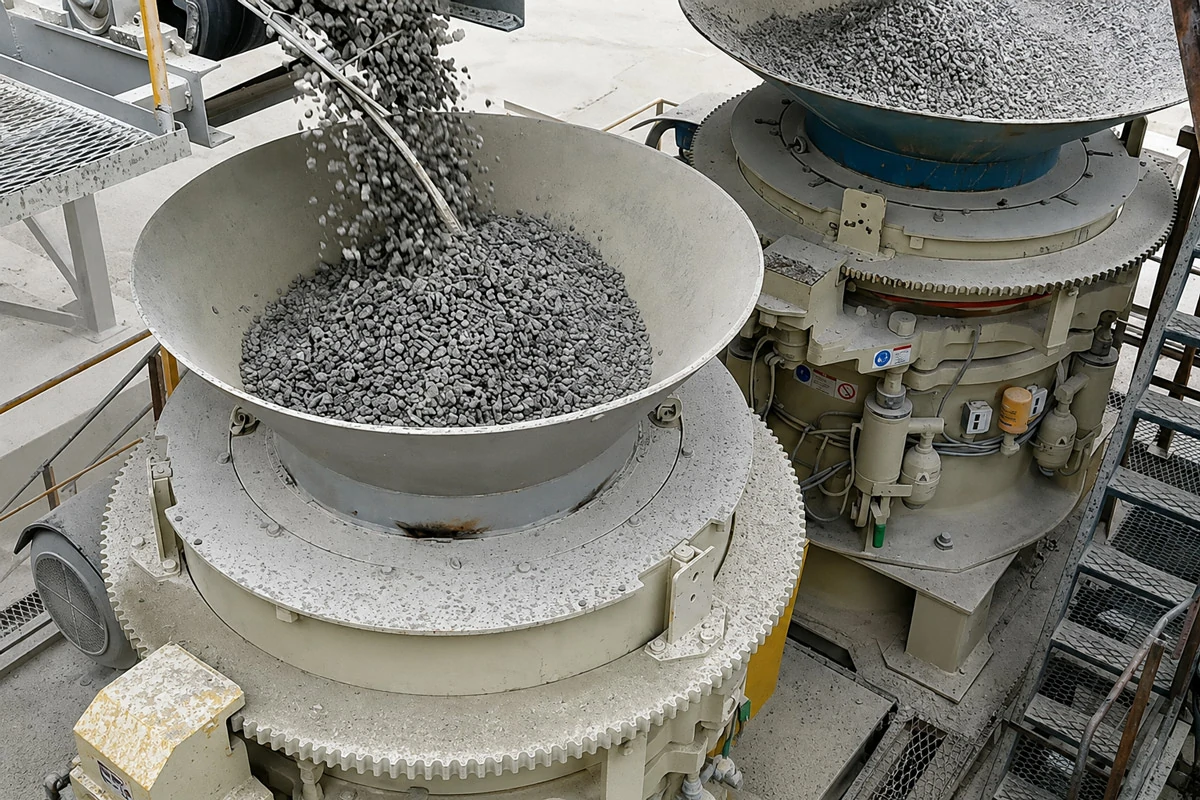
The best replacement component cannot correct unstable operation. Keep feed continuous, avoid segregation, maintain the selected chamber fill, and monitor power rather than relying only on sound. A steady power trace usually indicates more stable loading. Repeated peaks can point to oversize feed, packing, uneven distribution, metal contamination, or an incorrect setting.
Measure the closed side setting by the approved method and at a consistent operating condition. Trend the adjustment required to maintain product size. Rapid setting movement may indicate accelerated wear or an abnormal chamber profile. Metso notes that distorted wear can reduce capacity, increase power draw, and contribute to ring bounce. In its HP guidance, about half of the original liner weight may be consumed when liners reach their normal wear limit, but the safe change point must follow the actual model and wear pattern.
Build a Cost Based Maintenance Plan
- At every shift Record power, throughput, setting, feed condition, oil temperature, pressure, vibration, and unusual sound.
- At planned inspections Photograph the chamber from the same position, measure the liner profile, inspect feed distribution, and check for loose fasteners or leakage.
- At every liner change Weigh or estimate remaining metal, map wear zones, inspect seats, verify dimensions, and save the operating data for comparison.
- At supplier review Compare cost per processed tonne, usable wear percentage, change time, dimensional conformity, and secondary damage rather than purchase price alone.
- At annual planning Set minimum stock for long lead components and align major changes with quarry and kiln maintenance windows.
Choose a crusher part supplier that provides traceable heat numbers, critical dimension reports, model compatibility, and protected machined surfaces.
Frequently Asked Questions
Which component has the greatest effect on crushing cost
The mantle and bowl liner usually have the most direct effect on chamber profile, capacity, product size, and wear expenditure. Bushings and lubrication components can create higher secondary costs when neglected because they may damage shafts, housings, and eccentric assemblies.
Is harder liner material always more wear resistant
No. Wear resistance depends on microstructure, toughness, work hardening, feed impact, abrasivity, and chamber loading. A harder but brittle casting may crack, while a tough manganese casting may develop a harder working surface during service.
How often should liner wear be measured
Measure often enough to predict the change point before breakthrough or capacity loss. Plants with variable quarry faces may need checks each shift through operating trends and direct profile measurements during every planned stop.
Why does uneven feed increase operating cost
Uneven feed concentrates force and wear on one side of the chamber. It can create fluctuating power, distorted liner profiles, lower capacity, unstable product size, and earlier replacement even when substantial metal remains elsewhere.
Can one closed side setting be used for every limestone source
No. The correct setting depends on chamber design, feed size, moisture, clay, abrasivity, required product, and circuit arrangement. Changes should remain within the OEM operating limits and should be validated with power, capacity, and gradation data.
What should be checked on a new liner delivery
Check model and profile, heat number, chemistry, heat treatment evidence, critical dimensions, seating surfaces, lifting provisions, visible defects, and any required non destructive examination. Retain the documents with field performance records.
Conclusion
Crusher parts control cement raw material costs when they preserve chamber geometry, support correct motion, maintain lubrication, and allow stable operation. The strongest program combines verified metallurgy, measured tolerances, appropriate surface finish, uniform feed, controlled settings, and cost per tonne records.
The lowest purchase price is rarely the lowest operating cost. A properly specified crusher wear part, installed on clean and inspected seats, then operated with stable feed, can reduce wasted energy, premature shutdowns, unused liner metal, and damage to major assemblies. The plant should treat every replacement as an engineering decision supported by certificates, measurements, operating history, and a defined change point.